

Cents
American Cents
American cents stand as enduring symbols of our nation's monetary heritage, offering collectors an accessible entry point into numismatics with remarkable historical depth. From the groundbreaking Flying Eagle cents of the 1850s to the iconic Lincoln series that has spanned over a century, these small copper coins tell the story of America's growth and transformation.
Prized for their artistic merit, historical significance, and surprising variety, cents reward collectors at every level of expertise and budget. Whether you're pursuing elusive key dates like the 1856 Flying Eagle or 1909-S VDB Lincoln, hunting doubled dies and other varieties, or simply appreciating the evolution of American coinage, the humble cent offers an endless journey of numismatic discovery.
Origin & History
The American cent has undergone significant evolution since its introduction in 1793. By the mid-1850s, rising copper prices had rendered the large cent (nearly the size of today's half-dollar) impractical and unpopular. In 1856, Mint Director James Snowden proposed a solution: a smaller bronze cent that would reduce production costs while creating a more convenient denomination for everyday transactions.
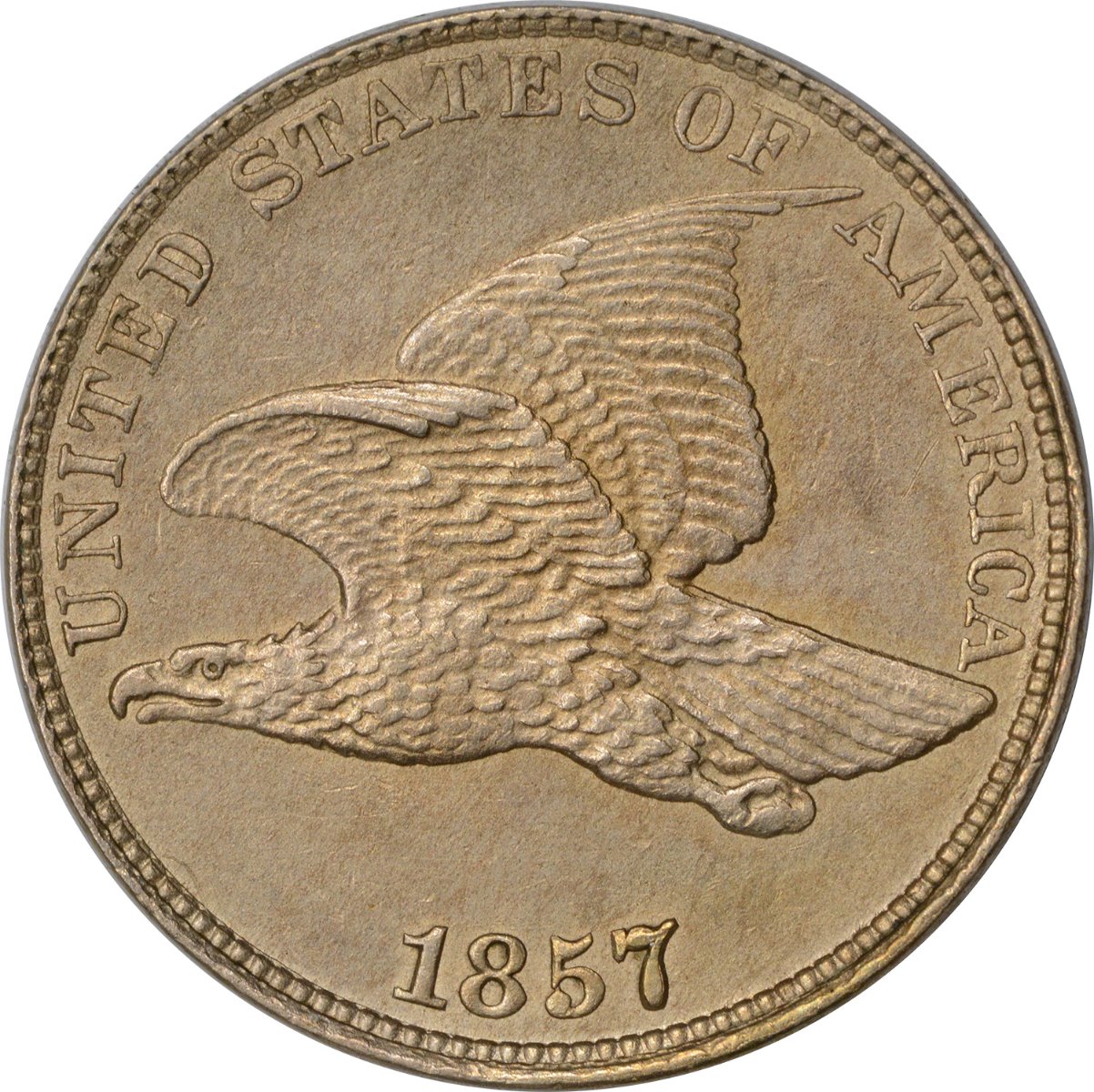
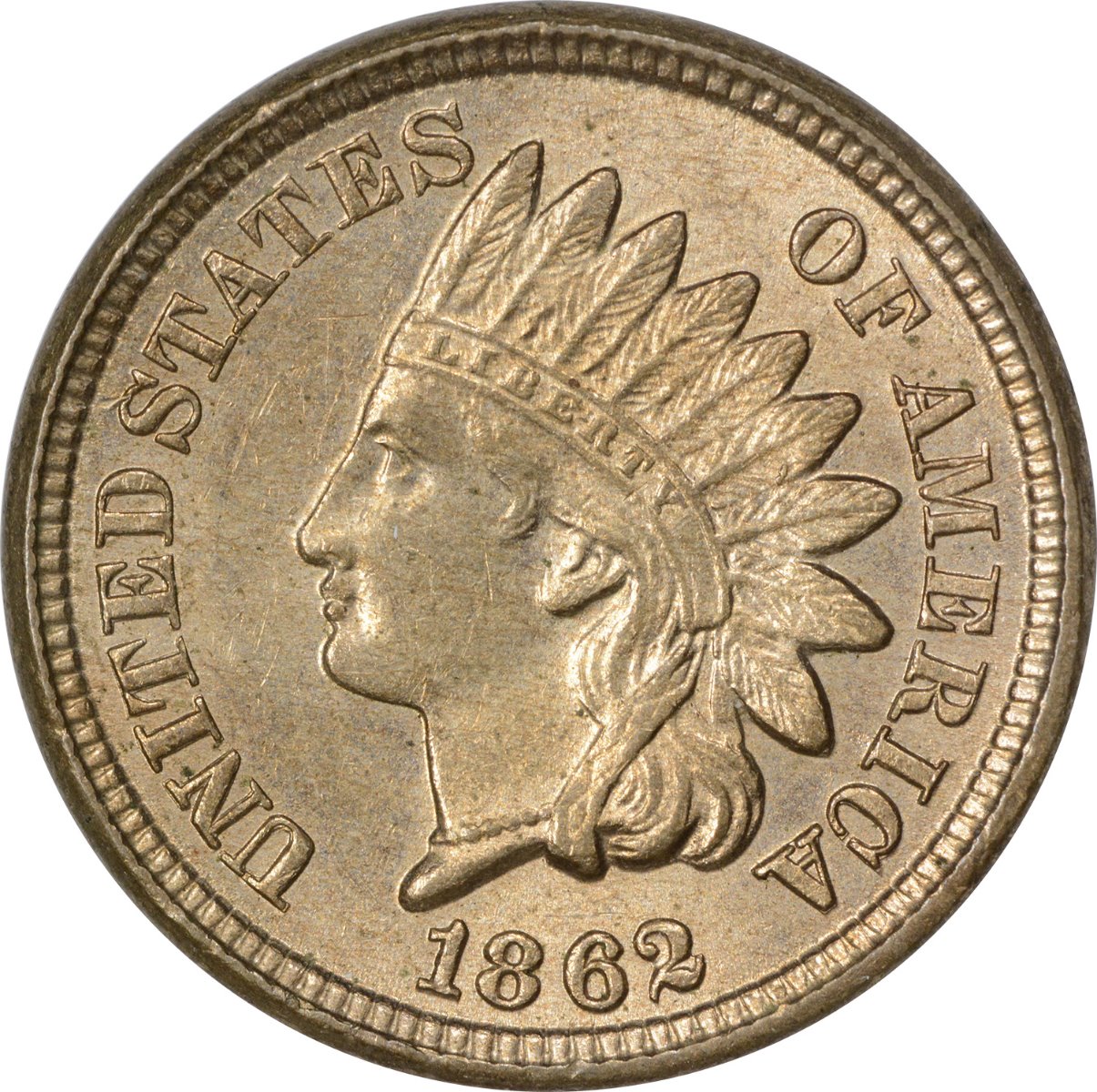
This led to the Flying Eagle cent (1856-1858), America's first small cent, featuring Chief Engraver James Barton Longacre's adaptation of Christian Gobrecht's earlier eagle design. Though widely acclaimed, the Flying Eagle's high-relief design created striking difficulties, prompting its replacement by the Indian Head cent (1859-1909). This new design by Longacre depicted Liberty wearing a Native American headdress, a motif that would endure for half a century.
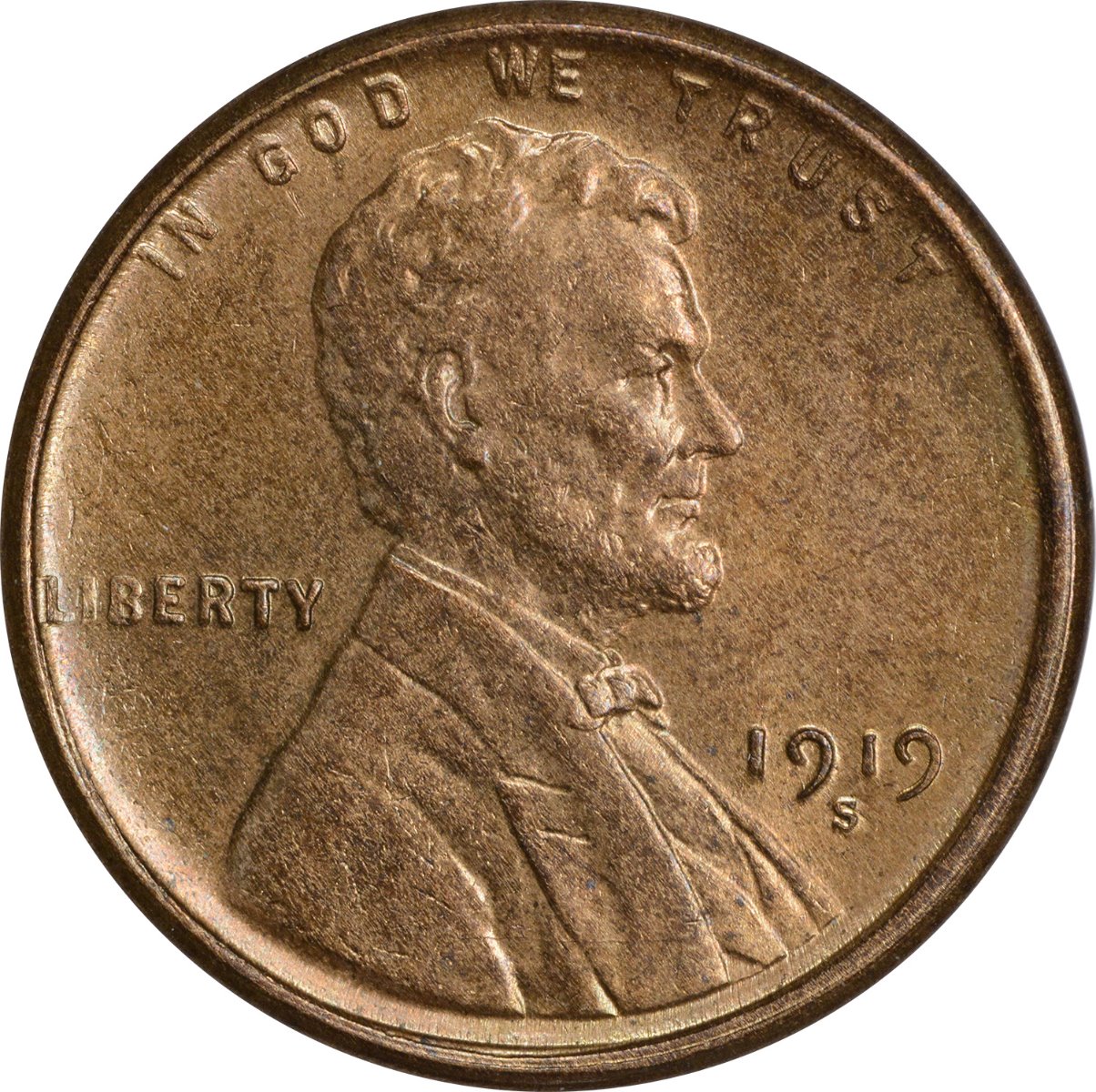
The cent's most dramatic transformation came in 1909, when President Theodore Roosevelt commissioned sculptor Victor David Brenner to design a new cent commemorating Abraham Lincoln's centennial birthday. This marked the first time a real person appeared on American circulating coinage, setting a precedent for future denominations. The Lincoln cent has since become America's longest-running design, though it has seen multiple reverse changes and composition adjustments throughout its history, including the wartime steel cents of 1943 and the shift from copper to zinc in 1982.
Design Elements
American cents have featured several distinct obverse designs, each reflecting the artistic and cultural priorities of their era. The Flying Eagle cent portrayed an eagle in mid-flight with "UNITED STATES OF AMERICA" arcing around the upper perimeter. The Indian Head cent featured Liberty wearing a Native American headdress with "UNITED STATES OF AMERICA" surrounding and the date below. The Lincoln cent displays a right-facing profile of Abraham Lincoln with "IN GOD WE TRUST" above, "LIBERTY" to the left, and the date to the right. Mint marks, when present, appear below the date on modern cents.
The reverse designs have evolved substantially over time:
- 1856-1858: Flying Eagle cents featured a simple wreath encircling "ONE CENT," representing the denomination.
- 1859: The first Indian Head cents displayed a laurel wreath surrounding "ONE CENT."
- 1860-1909: Indian Head cents received a new reverse with an oak wreath and shield, maintaining "ONE CENT" in the center.
- 1909-1958: The Lincoln "Wheat" cent featured two wheat stalks framing "ONE CENT" with "UNITED STATES OF AMERICA" above and "E PLURIBUS UNUM" below.
- 1959-2008: The Lincoln Memorial design showcased the famous Washington, D.C. monument with inscriptions "UNITED STATES OF AMERICA," "E PLURIBUS UNUM," and "ONE CENT."
- 2009: Four special Bicentennial designs commemorated Lincoln's life stages from Kentucky birth to presidency.
- 2010-Present: The Shield design displays a union shield with a scroll draped across it and "ONE CENT" below, symbolizing Lincoln's preservation of the Union.
Authentic specimens display proper font characteristics, precise rim details, and appropriate mint marks where applicable. Earlier cents typically feature sharper striking details and more substantial copper content than modern issues.
Varieties & Key Dates
The world of American cents offers a treasure trove of rarities and variations that drive collector enthusiasm. The undisputed king of Flying Eagle cents is the 1856 pattern issue, with only about 2,000 minted and far fewer surviving. Even worn examples command thousands of dollars, while pristine specimens can reach six figures at auction.
Indian Head cents feature several key dates, with the 1877 (mintage: 852,500) being the most famous due to heavy circulation and limited survival. The 1909-S Indian Head, the final year of the series with only 309,000 struck, represents another coveted rarity commanding premiums in all grades.
Lincoln cents offer the most diverse collecting challenges. The legendary 1909-S VDB, with Brenner's initials prominently displayed on the reverse, had a limited mintage of just 484,000 before public outcry caused their removal. The 1914-D (1.2 million minted) saw heavy circulation, making well-preserved examples particularly scarce. The 1922 "Plain" cent (actually a Denver issue with a completely filled mint mark) resulted from die problems and represents one of the most famous mint errors in American numismatics.
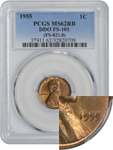
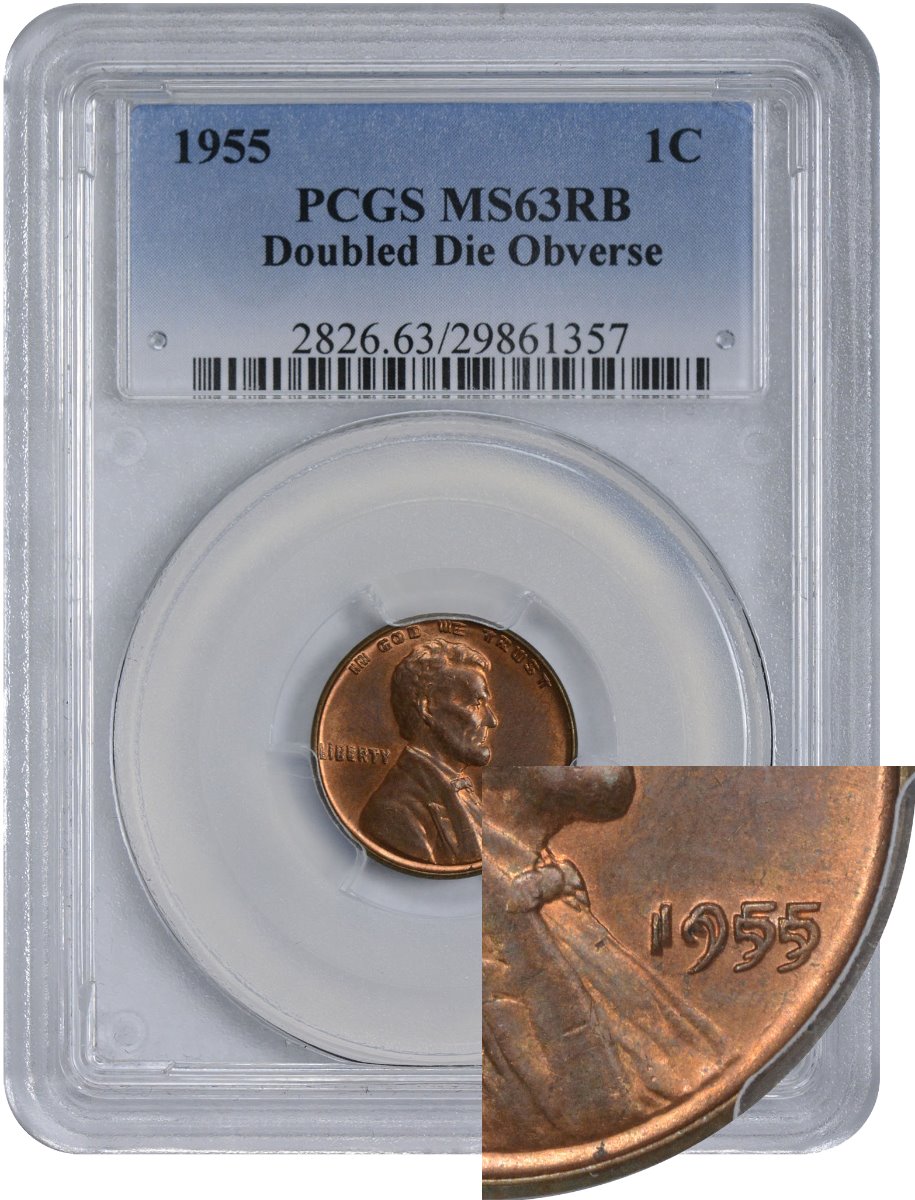
Error coins and varieties add another dimension to cent collecting. The 1955 Doubled Die Obverse Lincoln cent shows dramatic doubling on the date and inscriptions, while the 1969-S Doubled Die is exceptionally rare with fewer than 100 authenticated examples known. The 1943 bronze cents (when nearly all cents were struck in steel) represent legendary mint errors worth tens of thousands of dollars.
Modern varieties continue to emerge, including the 1992 Close AM, 1995 Doubled Die Obverse, and various transitional composition errors from 1982. With such diversity across multiple design types, cent collectors can pursue specialized interests from pattern coins to mint errors while building meaningful collections at various price points.
Collecting Insights
Building a quality cent collection requires understanding the unique challenges each series presents. For Flying Eagle and Indian Head cents, strike quality is paramount, with particular attention to the wings and feathers that often show weakness. Lincoln cents demand scrutiny of specific high points—Lincoln's cheek and hair details on Wheat cents, or the columns on Memorial cents.
Color plays a crucial role in evaluating copper and bronze cents. Specimens are categorized as Red (full original color), Red-Brown (partial color), or Brown (minimal original color), with full Red examples commanding substantial premiums, particularly for earlier dates. Original mint luster with no evidence of cleaning or artificial enhancement significantly impacts desirability among serious collectors.
When adding key dates and varieties to your collection, authentication becomes essential. Many valuable cents have been counterfeited or altered, particularly the 1909-S VDB, 1914-D, and error varieties like the 1955 Doubled Die. L&C Coins offers professionally authenticated specimens that eliminate concerns about authenticity. Browse our extensive inventory of cents spanning all major types, available in various grades to match your collecting goals and budget.
For beginning collectors, we recommend starting with a date run of more common issues in the best condition you can afford, gradually adding better dates as your knowledge and budget grow. Consider focusing on a specific series that appeals to your interests, whether it's the historical significance of Flying Eagle cents, the classic design of Indian Head cents, or the endless varieties of Lincoln cents. For collectors interested in type collecting, a single example from each major design era provides an excellent overview of American cent evolution.
Frequently Asked Questions
What makes the 1909-S VDB Lincoln cent so valuable?
The 1909-S VDB combines multiple factors that create exceptional collector demand: very low mintage (484,000 pieces), production at the San Francisco Mint, designer Victor D. Brenner's prominently placed initials that were quickly removed due to controversy, and its status as a first-year issue. This perfect storm of numismatic desirability makes it the most sought-after Lincoln cent across all collecting grades.
How can I identify authentic Flying Eagle cents?
Authentic Flying Eagle cents (1856-1858) display sharp wing feather details, proper font characteristics on "UNITED STATES OF AMERICA," and a smooth, uniform copper-nickel surface with no seams. The 1856 issue is often counterfeit due to its high value; genuine examples should show the correct die characteristics and appropriate wear patterns. When purchasing valuable Flying Eagle cents, seek examples certified by reputable grading services or from established dealers like L&C Coins who offer authenticity guarantees.
What are the most valuable Lincoln cent errors?
The most valuable Lincoln cent errors include the 1943 bronze cents (when cents were supposed to be struck in steel), worth $100,000+ in high grades; 1944 steel cents (when production had returned to copper), valued at $75,000+; and the 1969-S Doubled Die Obverse, with fewer than 100 confirmed examples worth $25,000+ in high grades. Other valuable errors include the 1955 Doubled Die Obverse, 1972 Doubled Die Obverse, and various off-metal and mule errors that occasionally emerge from modern production.
How should I store my cent collection?
Cents, particularly those with copper content, are susceptible to environmental damage. Store your collection in archival-quality holders that are PVC-free to prevent chemical reactions. Albums, folders, or individual coin flips designed specifically for long-term numismatic storage are ideal. Keep your collection in a cool, dry environment away from temperature fluctuations and humidity. For valuable specimens, consider professional grading and encapsulation by services like PCGS or NGC, which provide both authentication and protection. Never clean your coins, as this significantly reduces their collector value.
Why did the composition of Lincoln cents change in 1982?
The composition changed in 1982 because the value of copper in the cent had begun to exceed its face value, making it economically unsustainable. When copper prices rose significantly in the early 1980s, the U.S. Mint transitioned from the traditional 95% copper alloy to a copper-plated zinc composition (97.5% zinc core with 2.5% copper plating). This change reduced production costs while maintaining the coin's traditional appearance. Both compositions were produced in 1982, creating a notable transitional year for collectors.
What's the difference between business strikes and proof cents?
Business strikes are regular production coins intended for circulation, struck once at high speed on standard planchets. Proof cents are special collector editions struck multiple times on polished blanks with specially prepared dies, resulting in mirror-like fields and frosted devices (known as "cameo" contrast). Proof cents were produced in limited quantities primarily for collectors and display sharper details, more defined edges, and superior surface quality. They typically command significant premiums over their business strike counterparts, especially in perfect condition or with special finishes.
Discover Quality, History-Rich Coins at L&C Coins
L&C Coins is a family-owned and operated business founded by coin enthusiast Lee Crane. Since 1974, we've offered our loyal customers a diverse selection of authentic and rare coins at a variety of price points to suit collectors of all levels.
In addition to a history-rich collection of both certified and uncertified coins, you'll enjoy free shipping with every standard order and free express shipping for orders of $25 or more. Should you have any questions, don't hesitate to contact our team of experts — we're here to help.