

Dollars
U.S. Dollar Coins
U.S. dollar coins represent the pinnacle of American numismatic achievement, showcasing our nation's artistic excellence and historical journey through exquisite silver and gold masterpieces. From the groundbreaking Flowing Hair dollar of 1794 to the beloved Morgan and Peace dollars of the late 19th and early 20th centuries, these iconic pieces have captivated collectors for generations.
Dollar coins tell compelling stories of westward expansion, mining booms, economic policies, and artistic innovation. Whether you're drawn to the hefty silver dollars of America's past, the short-lived but fascinating Trade dollars, or modern commemorative issues, dollar coins offer unparalleled collecting opportunities with their impressive size, intricate designs, and tangible connection to American history.
Origin & History
The story of American dollar coins begins with the Coinage Act of 1792, which established the U.S. Mint and authorized the creation of silver dollars as the cornerstone of the new nation's monetary system. The first silver dollars—the Flowing Hair type—were struck in 1794, featuring Liberty with flowing hair on the obverse and an eagle on the reverse. These were followed by the Draped Bust (1795-1804) and Gobrecht dollars (1836-1839), both showcasing Liberty in increasingly refined artistic styles.
The Seated Liberty dollar (1840-1873) featured a classical design by Christian Gobrecht, showing Liberty seated on a rock and holding a liberty pole. This design coincided with America's westward expansion and the discovery of vast silver deposits in Nevada's Comstock Lode. To facilitate trade with China and other Asian nations, the U.S. Mint produced Trade dollars (1873-1885) with slightly higher silver content than standard dollars.
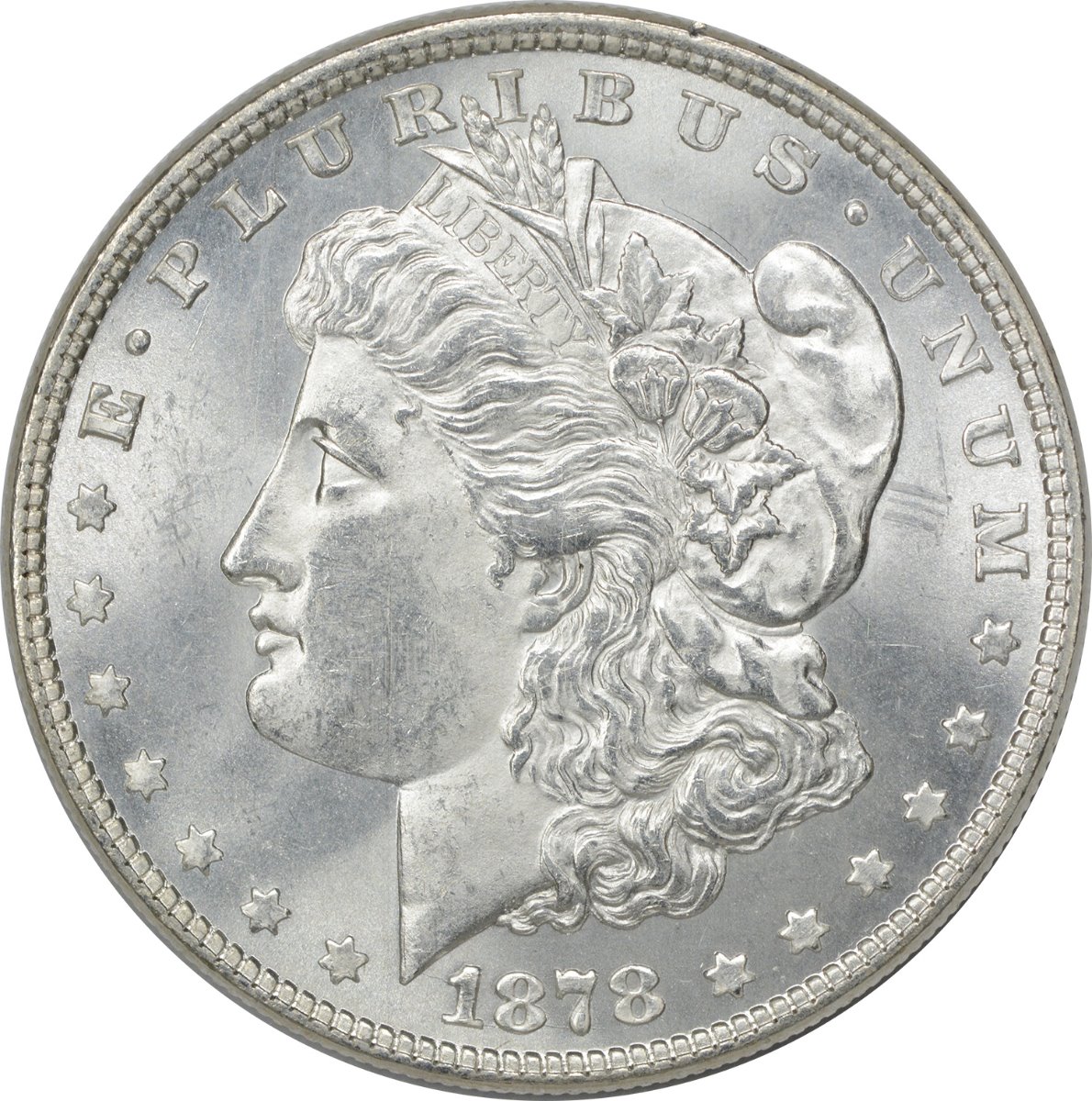
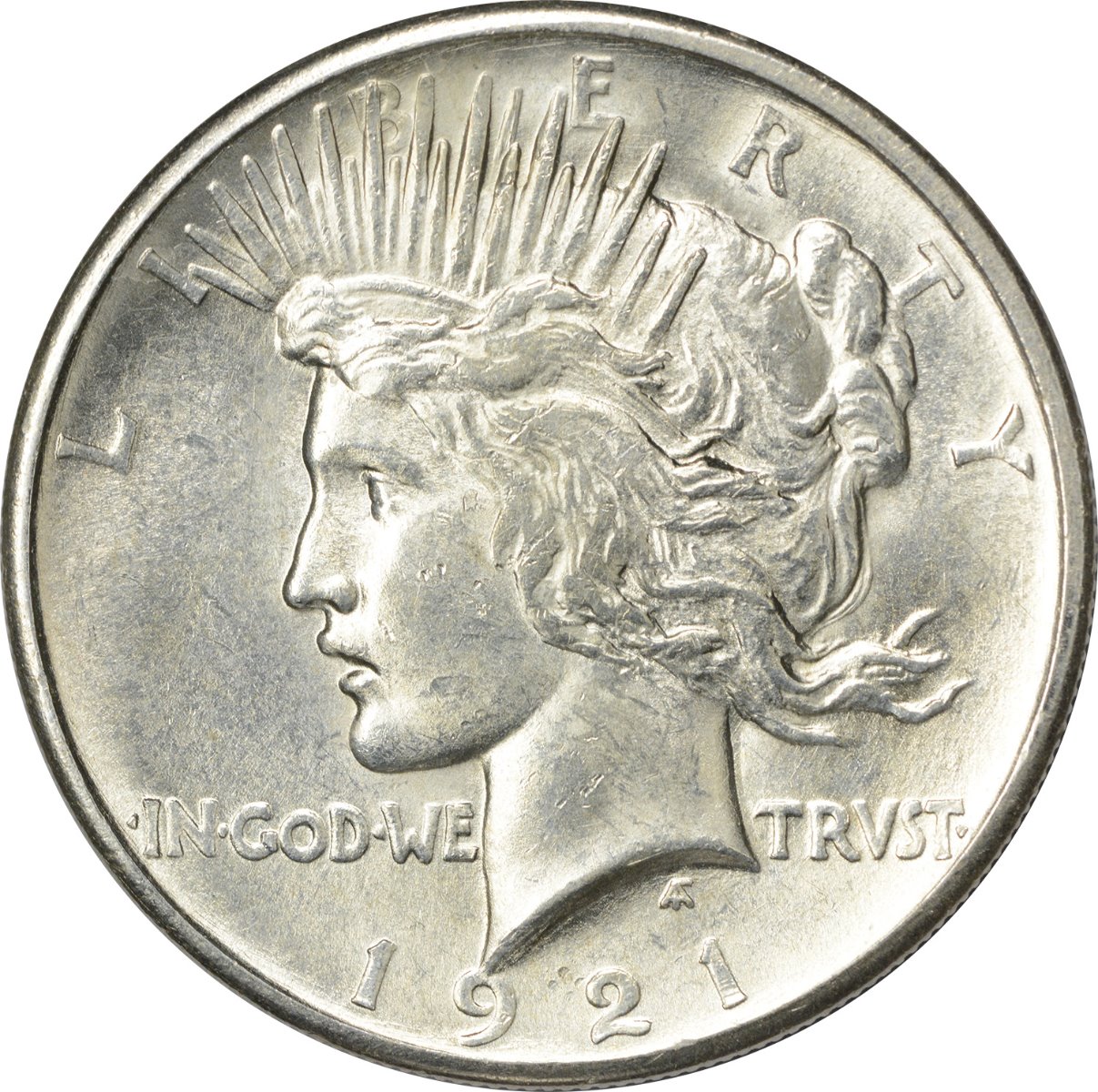
The most celebrated chapter in dollar coin history began with the Bland-Allison Act of 1878, which mandated the government to purchase silver from western mining interests. This legislation birthed the iconic Morgan dollar (1878-1904, 1921), designed by George T. Morgan and minted until government silver supplies were exhausted. Following World War I, the Peace dollar (1921-1935) was introduced to commemorate the end of the "war to end all wars," becoming the last standard-issue silver dollar for circulation.
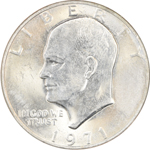
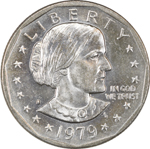
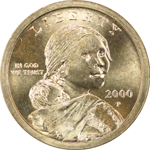
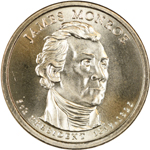
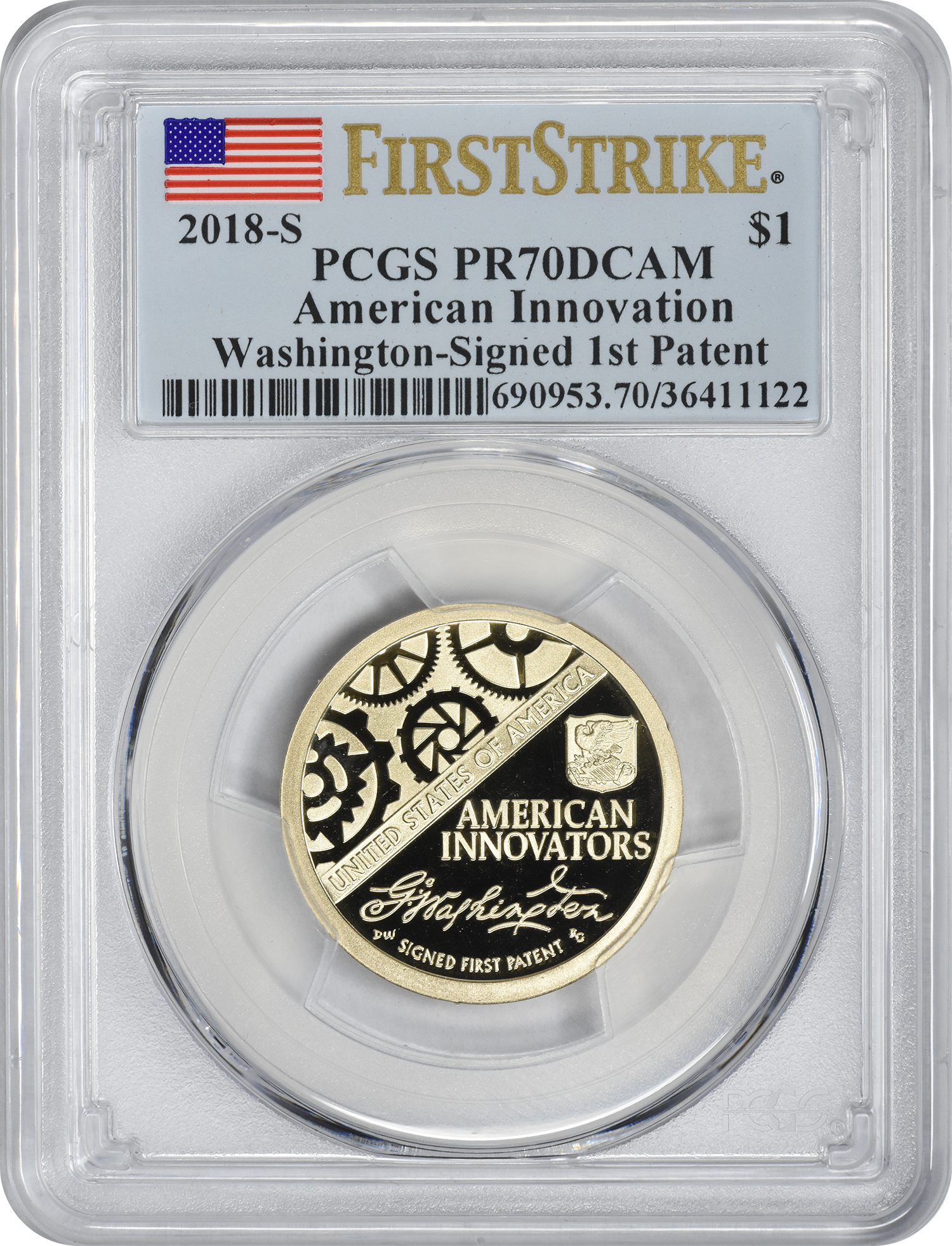
After a gap of decades, the Eisenhower dollar (1971-1978) revived the denomination in a clad composition, followed by smaller modern dollars including the Susan B. Anthony, Sacagawea, Presidential, and American Innovation series, bringing the tradition of America's largest circulating coin into the 21st century.
Design Elements
The obverse designs of U.S. dollar coins have typically featured allegorical representations of Liberty or portraits of significant American figures. Early dollars showcased various interpretations of Liberty—from the flowing-haired maiden on the 1794 dollar to the classically inspired seated figure on dollars minted from 1840-1873. The iconic Morgan dollar presented a more American interpretation of Liberty wearing a Phrygian cap, while the Peace dollar featured a radiant, youthful Liberty symbolizing a new era of optimism. Modern dollars have featured historical figures including Eisenhower, Susan B. Anthony, Sacagawea, and various presidents.
The reverse designs have evolved significantly throughout the denomination's history:
- 1794-1804: Early dollars featured an eagle with outstretched wings (small eagle 1794-1798, heraldic eagle 1798-1804), surrounded by various arrangements of stars and wreaths
- 1840-1873: The Seated Liberty dollar displayed a majestic eagle with shield, arrows, and olive branch, symbolizing both America's strength and desire for peace
- 1873-1885: Trade dollars featured a seated Liberty on the obverse and an eagle clutching arrows and an olive branch on the reverse, with inscriptions noting the precise silver weight to facilitate international commerce
- 1878-1921: The Morgan dollar showcased an eagle with outstretched wings clutching arrows and an olive branch, encircled by wreaths and the inscriptions "UNITED STATES OF AMERICA" and "ONE DOLLAR"
- 1921-1935: The Peace dollar depicted an eagle perched on a rock with an olive branch, against a backdrop of rays with "PEACE" inscribed below, symbolizing the dawn of a new era following World War I
- 1971-Present: Modern dollars have featured diverse designs, including the Apollo 11 emblem (Eisenhower), various eagle designs (Susan B. Anthony), agricultural and Native American motifs (Sacagawea and Native American series), and architectural elements (Presidential series)
U.S. silver dollars measure approximately 38.1mm in diameter and contain 0.7734 troy ounces of silver when composed of standard 90% silver alloy. Authentic specimens display proper strike characteristics, appropriate mint luster, and correct font styling for their type and era.
Varieties & Key Dates
Among the most valuable and sought-after dollar coins are the earliest examples, particularly the 1794 Flowing Hair dollar—the first silver dollar minted by the United States. With fewer than 150 examples known to exist, these coins can command prices well into the millions when in exceptional condition. The 1804 dollar, though bearing an early date, was actually struck decades later for diplomatic presentation sets and exists in just 15 known specimens, earning it the nickname "King of American Coins."
The Morgan dollar series (1878-1904, 1921) contains numerous key dates and varieties that collectors eagerly pursue. The 1893-S stands as the undisputed king of circulation strike rarities, with just 100,000 minted. Other notable key dates include the 1889-CC, 1895-O, and the 1895 Philadelphia issue, which exists only as proofs. Carson City Morgan dollars, struck at the famous Nevada mint, carry special premium due to their direct connection to the silver from the Comstock Lode.
Fascinating varieties within the Morgan series include the 1878 8 Tail Feathers/7 Tail Feathers transition, the 1880/79 overdate, and specialized VAM varieties (named for scholars Van Allen and Mallis) like the 1888-O "Hot Lips" doubled die and the 1901 "Shifted Eagle." The Peace dollar series (1921-1935) offers fewer rarities but includes the key 1921 high-relief issue and the scarce 1928 Philadelphia mint.
Trade dollars (1873-1885) present their own compelling challenges, with the extremely rare proof-only issues of 1884 and 1885 commanding prices in the millions. The Seated Liberty dollar (1840-1873) features numerous low-mintage issues, particularly from the San Francisco Mint, while modern dollar series contain valuable varieties like the 1972 Type 2 Eisenhower dollar and the 1979-P wide rim Susan B. Anthony dollar.
For collectors building a type set, acquiring one example of each major design represents an achievable yet impressive goal, while specialists often focus on a single series, pursuing date runs, mint marks, and varieties that provide years of engaging numismatic pursuit.
Collecting Insights
When building a dollar coin collection, condition plays a pivotal role in both enjoyment and value. Unlike smaller denominations that saw heavy circulation, many silver dollars were stored in Treasury and bank vaults, allowing collectors today to find attractive uncirculated specimens. Morgan and Peace dollars, in particular, can be obtained in mint state grades at reasonable prices compared to other classic U.S. coins of similar age and historical importance.
Look for coins with good eye appeal—pieces with attractive natural toning, minimal bag marks (particularly on Liberty's cheek and in the open fields), and strong strikes showing full detail in high-relief areas. On Morgan dollars, check Liberty's hair above the ear and the eagle's breast feathers, while Peace dollars should show full detail in Liberty's hair and the eagle's feathers.
Specialized terminology for dollar coin collecting includes "deep mirror prooflike" (DMPL) for Morgans with mirror-like surfaces, "GSA dollars" for Carson City Morgans sold by the Government Services Administration in the 1970s, and "VAM varieties" that identify specific die characteristics. Understanding these terms helps collectors communicate effectively and identify premium specimens.
Storage requires consideration due to the size and value of dollar coins. Use holders that protect against environmental damage while allowing viewing, and avoid PVC-containing materials that can damage surfaces over time. For valuable specimens, professional grading services like PCGS or NGC provide both authentication and protection while enhancing marketability.
Browse L&C Coins' extensive selection of dollar coins, all backed by our family's 90+ years of combined numismatic experience. Every purchase includes free shipping and a 15-day return privilege, allowing you to build your collection with confidence.
Frequently Asked Questions
What makes Carson City Morgan dollars so desirable to collectors?
Carson City Morgan dollars command premium prices due to their direct connection to Nevada's famous Comstock Lode silver strike and their relatively low mintages. The Carson City Mint operated for only a short period (1870-1893), producing fewer coins than larger facilities. Many CC Morgans were later melted under the 1918 Pittman Act, further reducing their availability. Their distinctive "CC" mint mark and romantic association with America's Western frontier combine to make them especially sought-after by collectors and investors alike.
How can I identify valuable dollar coin varieties?
Identifying valuable varieties requires careful examination and knowledge of specific diagnostic features. For Morgan dollars, reference books like the "VAM Guide" (by Van Allen and Mallis) document important varieties like doubled dies, repunched mint marks, and die breaks. Examine key areas like date digits, mint marks, and design elements under magnification (at least 5x). For modern dollars, look for specifics like the Eisenhower dollar's Type 1 and Type 2 reverse designs or the Susan B. Anthony dollar's narrow and wide rim varieties. When in doubt, have potentially valuable coins examined by reputable dealers like L&C Coins.
What are the most valuable silver dollars from recent decades?
Among modern dollar coins, the most valuable include the 1972 Type 2 Eisenhower dollar, which can be worth several hundred dollars in uncirculated condition; the 1964-D Peace dollar (never officially released but a few specimens may exist); and certain special mint set specimens of Eisenhower dollars with exceptional cameo contrast. While not as valuable as classic silver dollars, some modern commemorative silver dollars issued since 1983 have appreciated significantly, particularly those with low mintages and strong thematic appeal to collectors outside the numismatic community.
How did the Pittman Act affect dollar coin availability today?
The 1918 Pittman Act authorized melting approximately 270 million silver dollars (mainly Morgan dollars) to sell as bullion to Great Britain during World War I. This massive melting dramatically reduced the population of many dates, creating scarcity where millions of coins once existed. The Act explains why certain dates with high original mintages are now quite rare. Interestingly, the Act also required replacement of these melted dollars, leading to the 1921 Morgan dollar mintage and the introduction of the Peace dollar that same year, creating two important numismatic transitions from a single piece of legislation.
What's the difference between "business strike" and "proof" dollar coins?
Business strike dollars were produced for general circulation using standard minting processes, while proof dollars were specially made for collectors using polished dies and planchets, often struck multiple times to enhance detail. Proof dollars typically show mirror-like fields, frosted devices (creating cameo contrast), and exceptional detail. They were (and are) sold directly to collectors by the U.S. Mint rather than released into circulation. Throughout dollar coin history, proofs have typically been produced in much lower numbers than business strikes, making them particularly desirable for their scarcity and beauty.
What are GSA Morgan dollars, and why are they significant to collectors?
GSA Morgan dollars refer to Carson City Morgan silver dollars that were discovered in U.S. Treasury vaults in the 1960s and sold to the public by the Government Services Administration (GSA) from 1972 to 1980. After decades in storage, approximately 2.9 million Carson City Morgan dollars were found and sold in special hard plastic holders with black inserts. These "GSA Morgans" are particularly desirable because they represent uncirculated coins that avoided circulation and the melting pot, coming directly from government vaults. Many collectors value these coins in their original GSA holders, which provide documented provenance and often command premiums over the same coins removed from the holders. The most common dates are 1882-CC, 1883-CC, and 1884-CC, while the 1879-CC, 1889-CC, and 1893-CC remain quite rare even in the GSA releases.
What are VAM varieties, and how do they add value to Morgan dollar collections?
VAM refers to a cataloging system for Morgan and Peace dollar varieties created by numismatists Leroy Van Allen and A. George Mallis (hence "VAM"). These varieties document specific die characteristics including doubled dies, repunched mint marks, die breaks, and other die variations that create distinctive features on certain coins. While thousands of VAM varieties have been identified, collectors typically focus on the "Top 100" or "Hot 50" VAMs, which represent the most dramatic and desirable varieties. Notable examples include the 1888-O "Hot Lips" (showing dramatic doubling on Liberty's lips), the 1901 "Shifted Eagle," and the 1878 "7/8 Tailfeathers" variety. VAM collecting adds another dimension to Morgan dollar collecting, allowing specialists to hunt for rare die varieties that may be overlooked by casual collectors. Third-party grading services now recognize major VAM varieties on their holder labels, adding premium value to these specialized collectibles.
Discover Quality, History-Rich Coins at L&C Coins
L&C Coins is a family-owned and operated business founded by coin enthusiast Lee Crane. Since 1974, we've offered our loyal customers a diverse selection of authentic and rare coins at a variety of price points to suit collectors of all levels.
In addition to a history-rich collection of both certified and uncertified coins, you'll enjoy free shipping with every standard order and free express shipping for orders of $25 or more. Should you have any questions, don't hesitate to contact our team of experts — we're here to help.