

Gold
Gold Coins
Gold coins represent the pinnacle of numismatic collecting, combining intrinsic precious metal value with historical significance and artistic beauty. From America's first gold coins struck in 1795 to modern bullion issues, these gleaming treasures have captivated collectors for generations. Their enduring appeal stems from multiple factors: the inherent value of their gold content, their historical connections to America's economic development, their stunning artistic designs by renowned engravers like Saint-Gaudens, and their remarkable investment potential.
Whether you're drawn to pre-1933 classics like Liberty Head and Indian Head designs, or modern American Gold Eagles, these coins offer a tangible connection to our nation's past while providing a hedge against economic uncertainty. Discover the rich history and collecting opportunities these magnificent gold pieces present.
Origin & History
America's gold coinage began with the Coinage Act of 1792, which authorized the production of eagles ($10), half eagles ($5), and quarter eagles ($2.50). The Philadelphia Mint struck its first gold coins in 1795, with the half eagle emerging first, followed by the eagle later that year, and quarter eagles in 1796. These early gold pieces featured the Capped Bust design by Robert Scot, the Mint's first Chief Engraver. As America grew westward, new branch mints opened to accommodate gold discoveries -- Charlotte and Dahlonega in 1838, New Orleans in 1838, San Francisco in 1854, Carson City in 1870, and Denver in 1906.
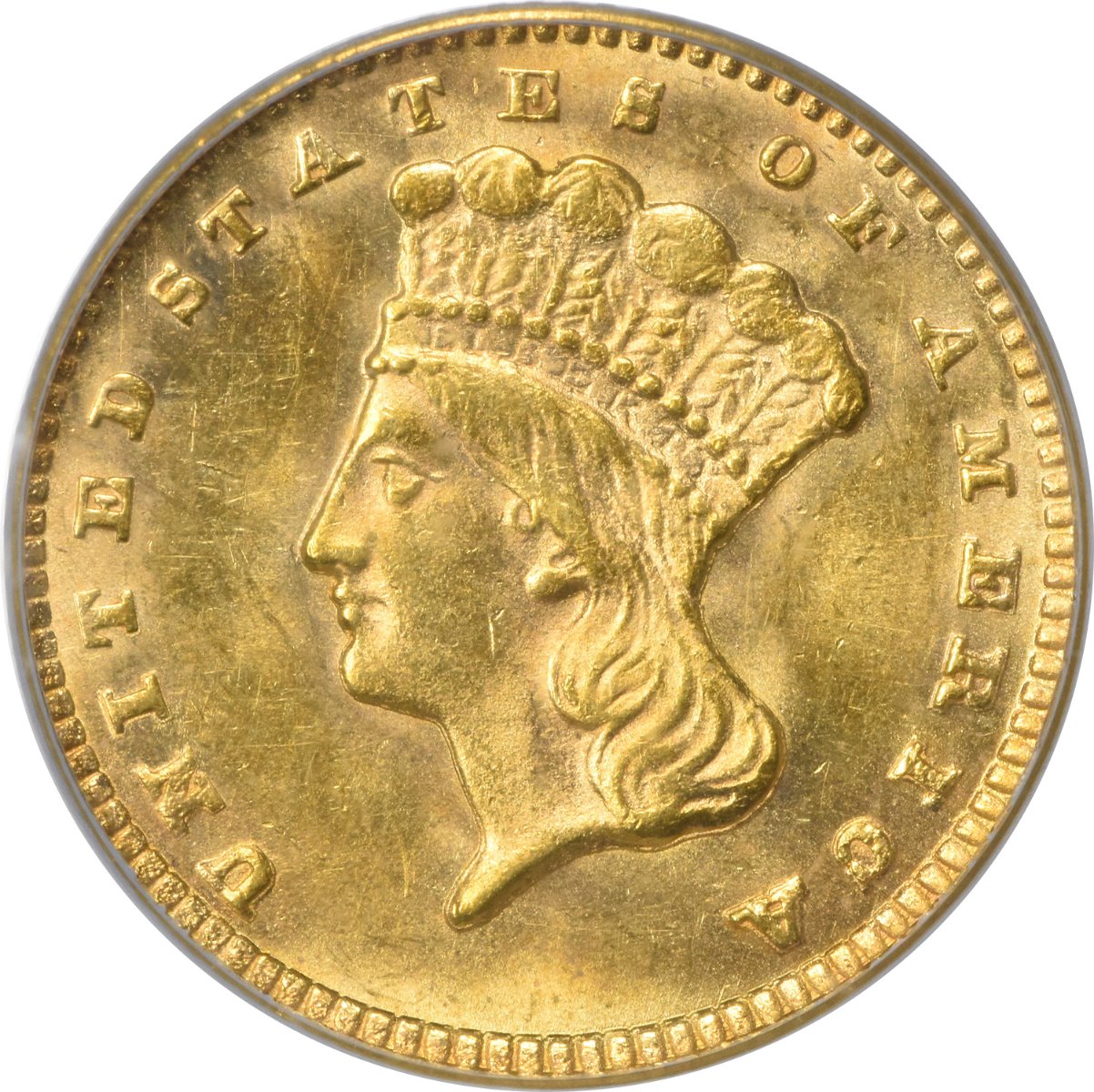
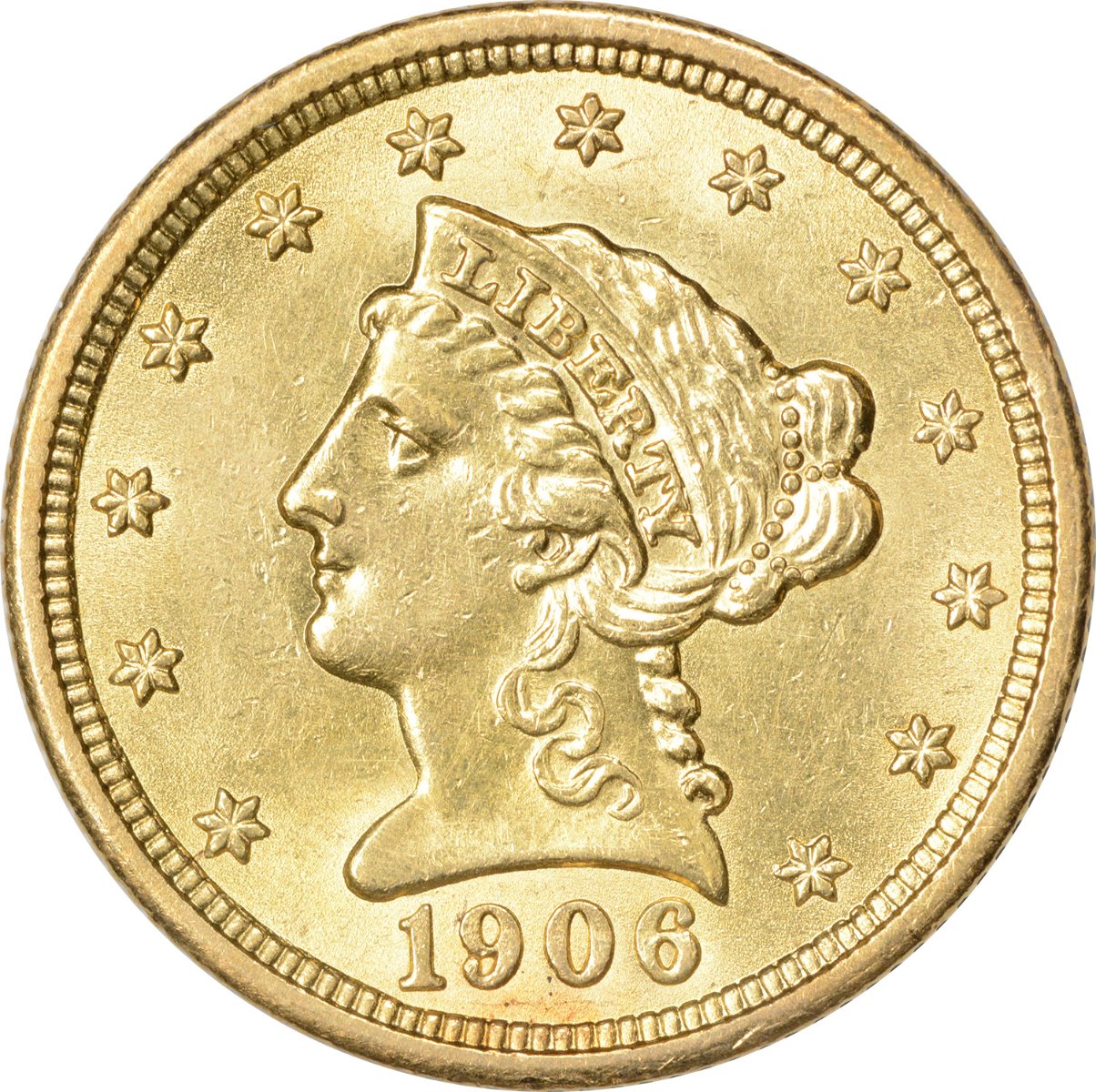
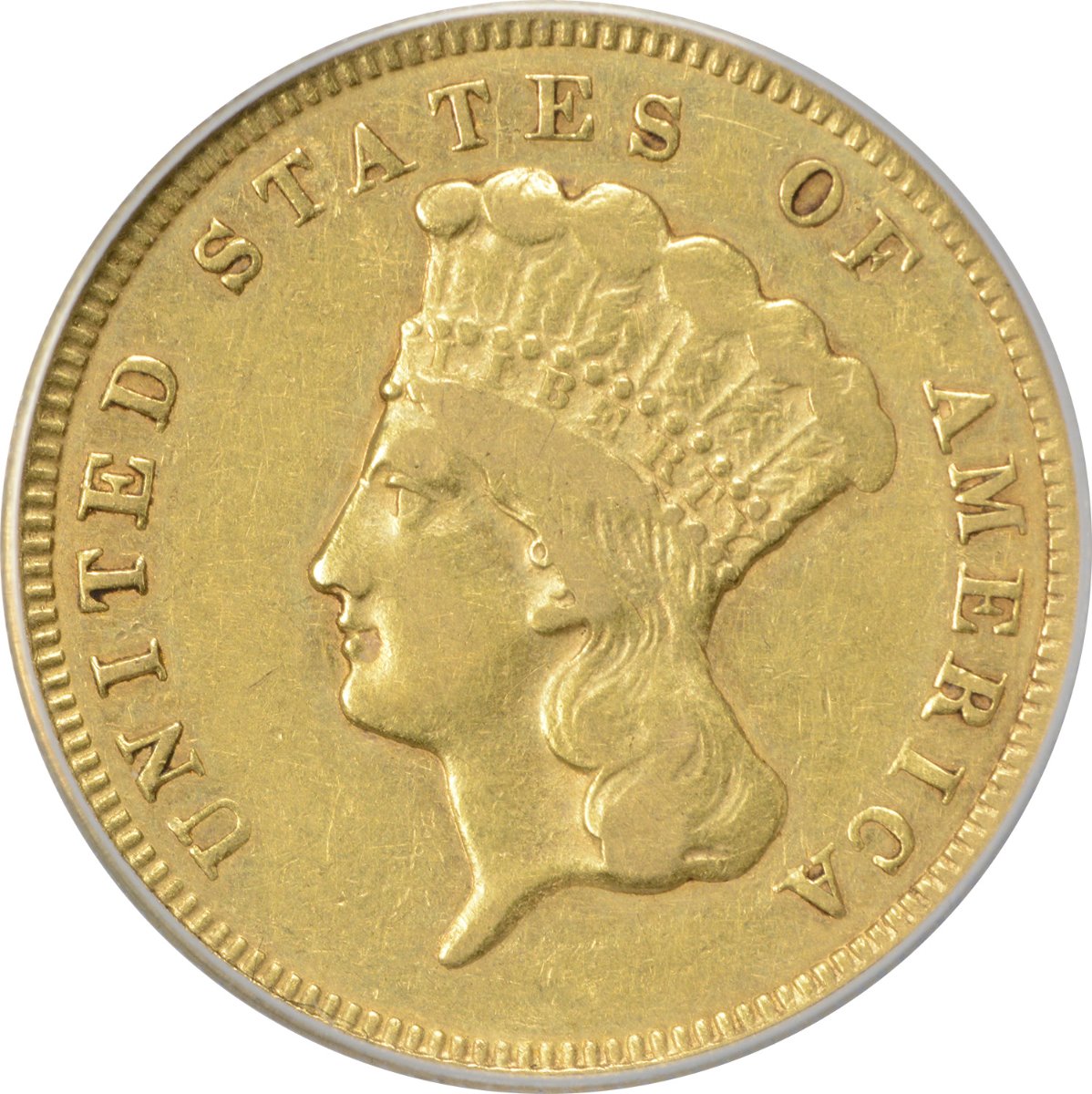
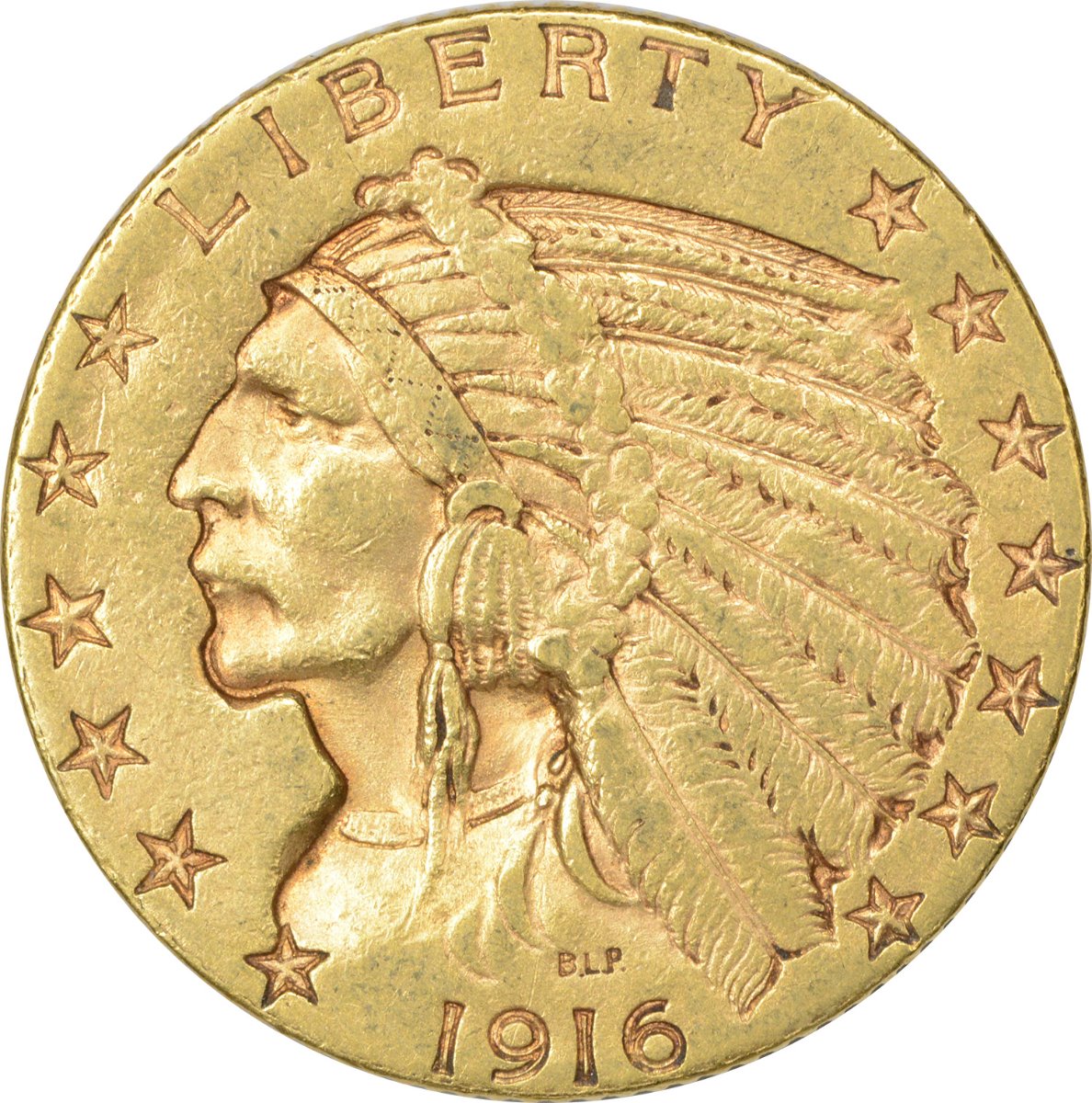
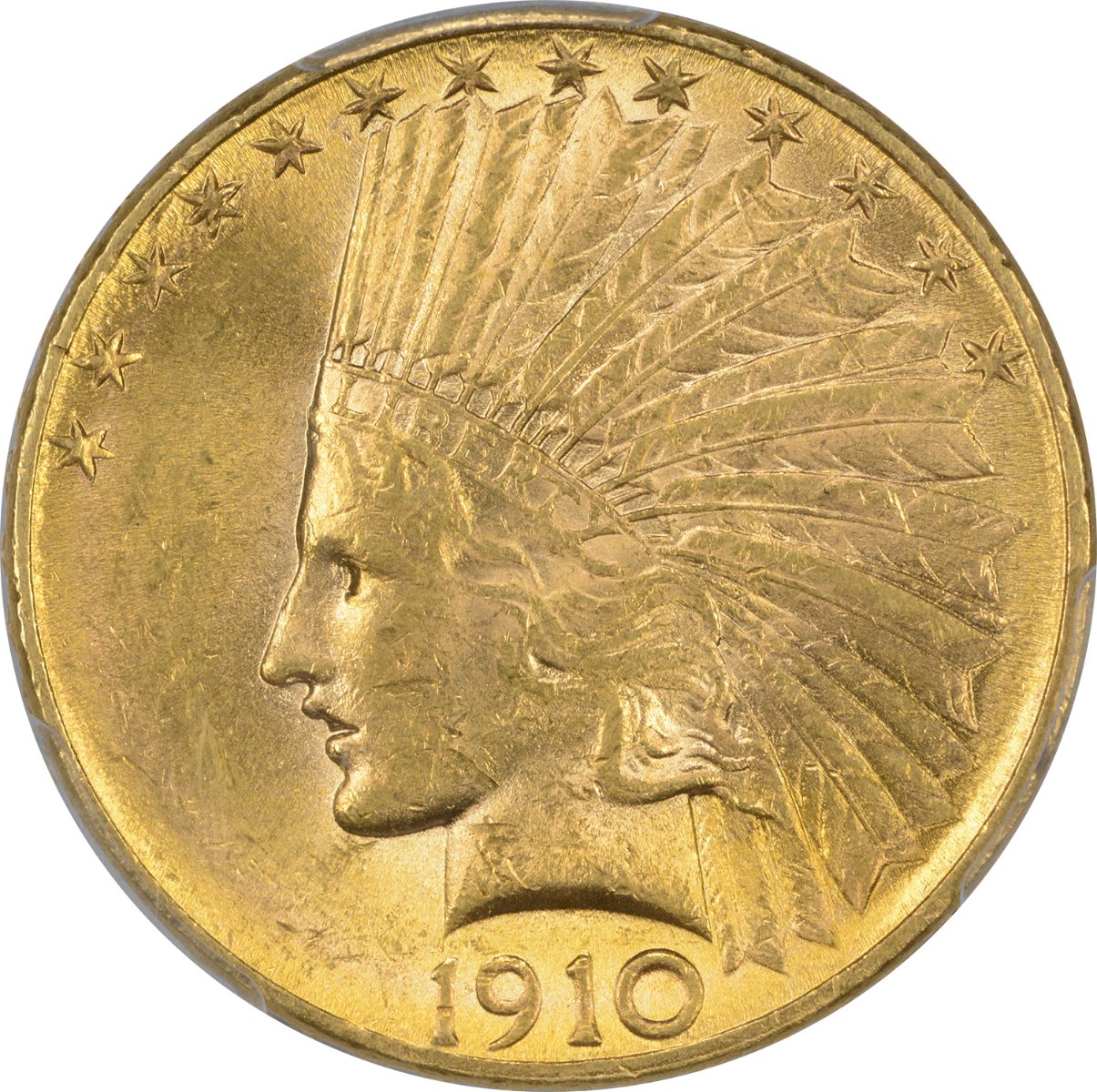
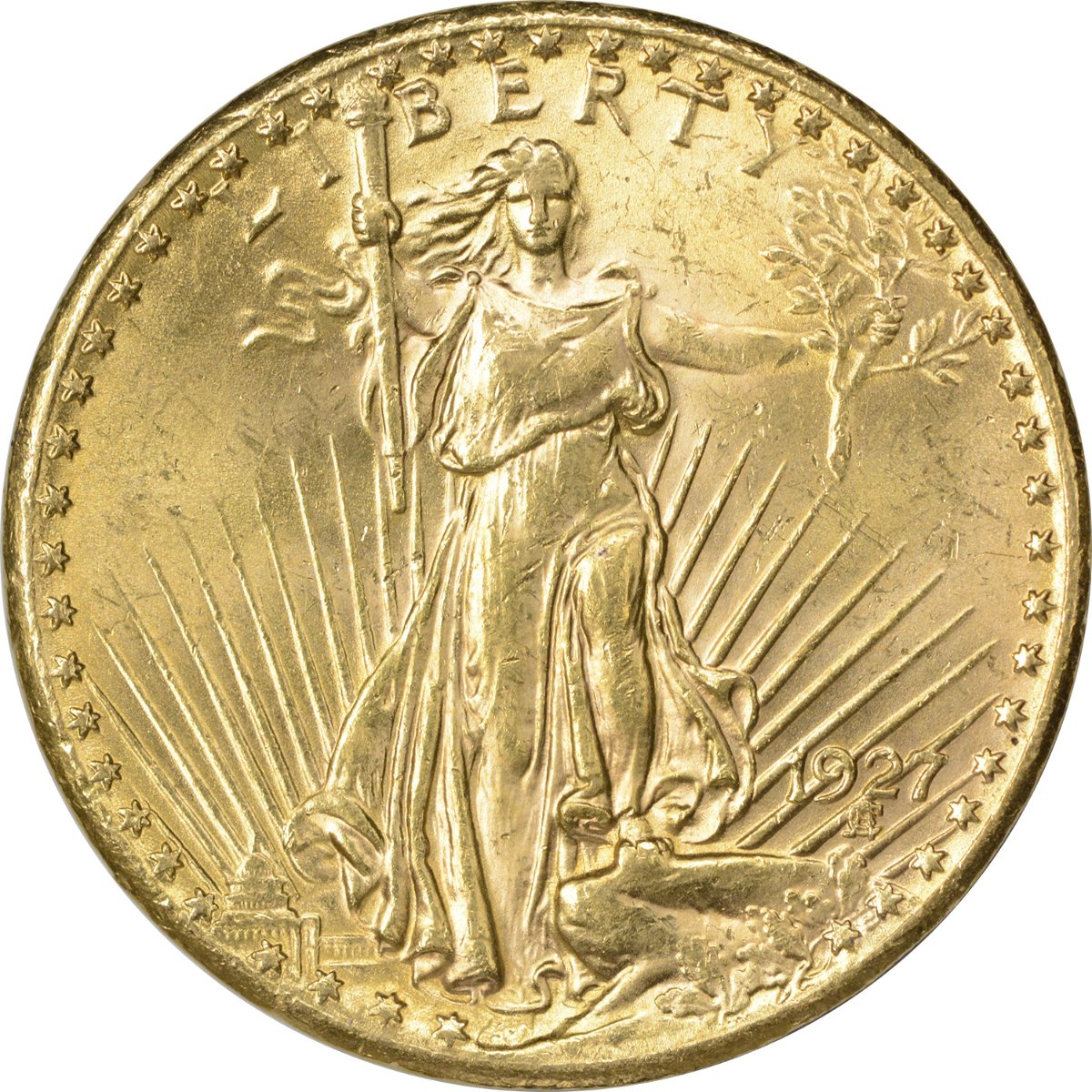
Gold coinage evolved through several distinctive design periods, from the Capped Bust series through the Classic Head designs, followed by the long-running Liberty Head (Coronet) types designed by Christian Gobrecht that dominated the latter 19th century. The dawn of the 20th century brought a renaissance in American coin design championed by President Theodore Roosevelt, who commissioned sculptor Augustus Saint-Gaudens to reimagine American gold coinage. The resulting Saint-Gaudens Double Eagle and Indian Head Eagle, alongside Bela Lyon Pratt's incuse Indian Head Half Eagle and Quarter Eagle designs, are celebrated as the pinnacle of American numismatic artistry.
Regular gold coinage continued until 1933, when President Franklin Roosevelt's executive order ended gold circulation. After a 50-year hiatus, gold coins returned with the American Gold Eagle program in 1986, starting a new chapter in American gold coinage.
Design Elements
The obverse designs of American gold coins showcase the evolution of American artistic sensibilities and symbolism. Early issues featured Liberty in profile wearing a cap, symbolizing freedom. The long-running Liberty Head design, utilized across multiple denominations from the 1830s through early 1900s, presented a classical portrait of Liberty wearing a coronet inscribed with "LIBERTY." The revolutionary Saint-Gaudens designs dramatically reimagined Liberty as a full-length figure striding forward bearing a torch and olive branch on the Double Eagle, while the Indian Head design placed Liberty in a Native American headdress on the Eagle -- an incongruous but distinctly American combination that reflected the national identity of the period.
The reverse designs have shown significant evolution throughout American gold coinage:
- 1795-1807: Early eagles and half eagles featured a small heraldic eagle, mockingly called "the little chicken" by critics, prompting redesigns.
- 1807-1834: A larger, more majestic heraldic eagle based on the Great Seal of the United States appeared on most denominations.
- 1834-1907: The Liberty Head series maintained the heraldic eagle reverse, with slight modifications over time.
- 1907-1933: Saint-Gaudens' flying eagle design on the Double Eagle and Pratt's standing eagle on the Indian Head coins represented modern interpretations of this national symbol.
- 1986-Present: Modern American Gold Eagles initially featured a family of eagles design by Miley Busiek (1986-2020), later replaced with a portrait of a single eagle in 2021.
Authentic gold coins can be identified by their proper weight, precise rim denticles (on earlier issues), sharp strike quality, and mint marks when applicable. Philadelphia coins typically have no mint mark, while other mints used C (Charlotte), D (Dahlonega or Denver), O (New Orleans), S (San Francisco), or CC (Carson City). These identifying marks appear in various locations depending on the series, most commonly on the reverse below the eagle or wreath.
Varieties & Key Dates
The rarest and most valuable gold coins typically combine low mintage numbers with historical significance or production anomalies. Among pre-1933 gold, the legendary 1933 Double Eagle stands supreme -- while over 445,000 were struck, virtually all were melted following Roosevelt's gold recall, with only one specimen legally available to collectors, which sold for $7.59 million in 2002. The 1927-D Saint-Gaudens Double Eagle, despite a mintage of 180,000, is another legendary rarity with fewer than 15 known examples, making it perhaps the most valuable regularly-issued U.S. coin.
For collectors focusing on earlier gold, key dates include the 1875 and 1875-CC Liberty Head $20, the extremely rare 1870-CC $20 Liberty, and pattern coins like the 1879 Flowing Hair Stella ($4 gold piece). Indian Head Eagles offer rarities like the 1907 No Motto Wire Edge and Rolled Edge varieties, while the Indian Head Half Eagles present challenging dates like the 1909-O and 1929, the latter extensively melted after the 1933 recall. Quarter Eagles feature key dates including the 1841 "Little Princess," the 1854-S, and various early issues from 1796-1834, which command significant premiums in any condition.
Carson City gold coins of all denominations command strong premiums due to their connection to the famous Comstock Lode silver strike and the mint's short operational period. Similarly, coins from the Southern branch mints of Charlotte and Dahlonega are avidly collected due to their historical connection to pre-Civil War gold mining in Georgia and North Carolina. Variety collectors seek unusual die combinations like the 1878 Morgan $10 with numerous doubled dies and rare patterns. Modern collectors often focus on specially-finished issues like Proof American Gold Eagles or ultra-high-relief commemorative gold, particularly those achieving perfect MS70 or PF70 certification grades.
Collecting Insights
Building a meaningful gold coin collection requires understanding the critical factors that impact value and desirability. Condition plays a paramount role in valuing gold coins, with uncirculated specimens commanding substantial premiums over circulated examples. The grading scale ranges from 1 to 70, with Mint State (MS) coins graded from MS60 to MS70. For pre-1933 gold, even one point on this scale can represent thousands of dollars in value difference. Professional third-party grading from PCGS or NGC provides authenticity verification and standardized condition assessment, critically important when investing in rare gold issues.
Strike quality varies considerably among gold coins, with some mints known for weaker strikes than others. New Orleans and Carson City often produced coins with softer details, while Philadelphia and San Francisco typically achieved sharper strikes. Look for strong details in the central design elements---Liberty's hair and the eagle's feathers typically show wear first. Luster, the reflective quality of a coin's surface, remains crucial for evaluating uncirculated gold, with original "cartwheel" luster commanding premiums over coins with subdued or impaired surfaces.
For modern gold coins, certification has become increasingly important, with perfect MS70 specimens often selling for substantial premiums over MS69 examples of the same issue. When adding gold coins to your collection, consider focusing on either bullion value (common date pre-1933 gold or modern bullion) or numismatic value (key dates, condition rarities, or historically significant issues). Many collectors also pursue comprehensive type coin collections that showcase the evolution of American gold coinage designs across different eras.
Browse L&C Coins' extensive selection of authenticated gold coins at competitive prices, all backed by our 15-day return privilege and 40+ years of numismatic expertise.
Frequently Asked Questions
What makes pre-1933 U.S. gold coins different from modern gold coins?
Pre-1933 U.S. gold coins were actual circulating currency before President Roosevelt's 1933 gold recall, while modern issues like American Gold Eagles are primarily investment vehicles and collectibles. Pre-1933 coins typically contain .900 fine gold (90% pure) compared to modern coins that are either .9167 (American Gold Eagles) or .9999 pure (American Gold Buffalos). Additionally, pre-1933 coins often command numismatic premiums above their gold content based on condition, rarity, and historical significance, while modern bullion coins trade closer to their intrinsic gold value.
How should I properly store and handle my gold coins?
Gold coins should be handled minimally and always by their edges while wearing cotton gloves to prevent oils and fingerprints from damaging the surfaces. Store coins in non-PVC holders specifically designed for numismatic preservation---either individual capsules, slabs, or album pages. Keep your collection in a cool, dry environment with stable temperature and humidity to prevent environmental damage. Avoid cleaning coins, as improper cleaning can significantly reduce their value. For valuable collections, consider a home safe, safety deposit box, or professional vault storage for additional security.
What determines the value of a gold coin beyond its gold content?
Several factors influence a gold coin's numismatic premium: rarity (mintage figures and survival rates), condition (grade), historical significance, artistic merit, and collector demand. Key dates with low mintages or high meltage rates command significantly higher prices, as do coins in exceptional condition. Market trends also impact values, with certain series gaining popularity among collectors in cycles. Professional certification by PCGS or NGC typically enhances value by verifying authenticity and providing an unbiased condition assessment, particularly important for rare issues or high-grade specimens.
Is it better to collect gold coins by type, by date, or by mint mark?
This depends entirely on your interests and budget. Type collecting (acquiring one example of each design) offers a comprehensive overview of American gold coinage while remaining financially accessible. Date collecting (obtaining one coin from each year of issue) provides a more complete historical perspective but requires greater investment. Mint mark collecting focuses on coins from specific facilities like Carson City or San Francisco and can be particularly rewarding for those interested in regional history. Many collectors begin with type collecting and gradually specialize in areas that particularly interest them, whether by denomination, design, or historical period.
What should I know about buying Saint-Gaudens Double Eagles?
Saint-Gaudens Double Eagles (1907-1933) are among the most sought-after U.S. gold coins. When purchasing, verify authenticity through reputable dealers like L&C Coins or choose professionally certified examples. Common dates (1924, 1927, 1928) make excellent starting points for collectors, while key dates (1921, 1927-D, 1930-S) command significant premiums. Early issues from 1907-1908 offer interesting varieties, including high relief and no motto versions. Condition dramatically affects value---coins graded MS63 or better typically command substantial premiums over lower-grade examples. The series offers numerous collecting approaches, from affordable type coins to challenging complete date sets that represent significant long-term investments.
Are modern gold coins worth collecting, or should I focus solely on pre-1933 issues?
Modern gold coins offer excellent entry points for new collectors while providing bullion value security. American Gold Eagles, American Gold Buffalos, and special commemorative issues provide collecting opportunities with lower initial investments than many pre-1933 issues. Modern coins in perfect condition (MS70/PF70) often develop secondary market premiums, particularly first-year issues or low-mintage variants. Additionally, modern gold typically offers higher purity than pre-1933 coins. Many sophisticated collections combine both modern and classic gold, acquiring key modern issues while gradually adding select pre-1933 coins as budget permits, creating a diverse portfolio with both bullion security and numismatic potential.
Discover Quality, History-Rich Coins at L&C Coins
L&C Coins is a family-owned and operated business founded by coin enthusiast Lee Crane. Since 1974, we've offered our loyal customers a diverse selection of authentic and rare coins at a variety of price points to suit collectors of all levels.
In addition to a history-rich collection of both certified and uncertified coins, you'll enjoy free shipping with every standard order and free express shipping for orders of $25 or more. Should you have any questions, don't hesitate to contact our team of experts — we're here to help.