

Type Coins
Type Coins
Type coin collecting stands as one of the most rewarding approaches to numismatics, allowing collectors to assemble a representative sampling of America's diverse coinage history without the expense of acquiring every date and mintmark. By focusing on design types rather than complete series, collectors can appreciate the artistic evolution and historical significance of U.S. coinage from colonial copper to modern issues.
Whether pursuing a complete type set spanning American numismatic history or specializing in specific denominations or time periods, type collecting offers unparalleled historical perspective and collecting flexibility. From the majestic Flowing Hair designs of the 1790s to the familiar coins of the 20th century, type coins provide a tangible connection to America's past while offering collecting opportunities for both newcomers and experienced numismatists.
Origin & History
Type coin collecting emerged organically in the early days of American numismatics, as collectors sought to categorize and study the various design changes in U.S. coinage. The concept gained formal recognition in the late 19th century as numismatic scholars began to classify coins according to their major design types rather than by date alone. This classification system provided a framework for understanding the evolution of American coinage and offered collectors a more accessible approach to building historically significant collections.
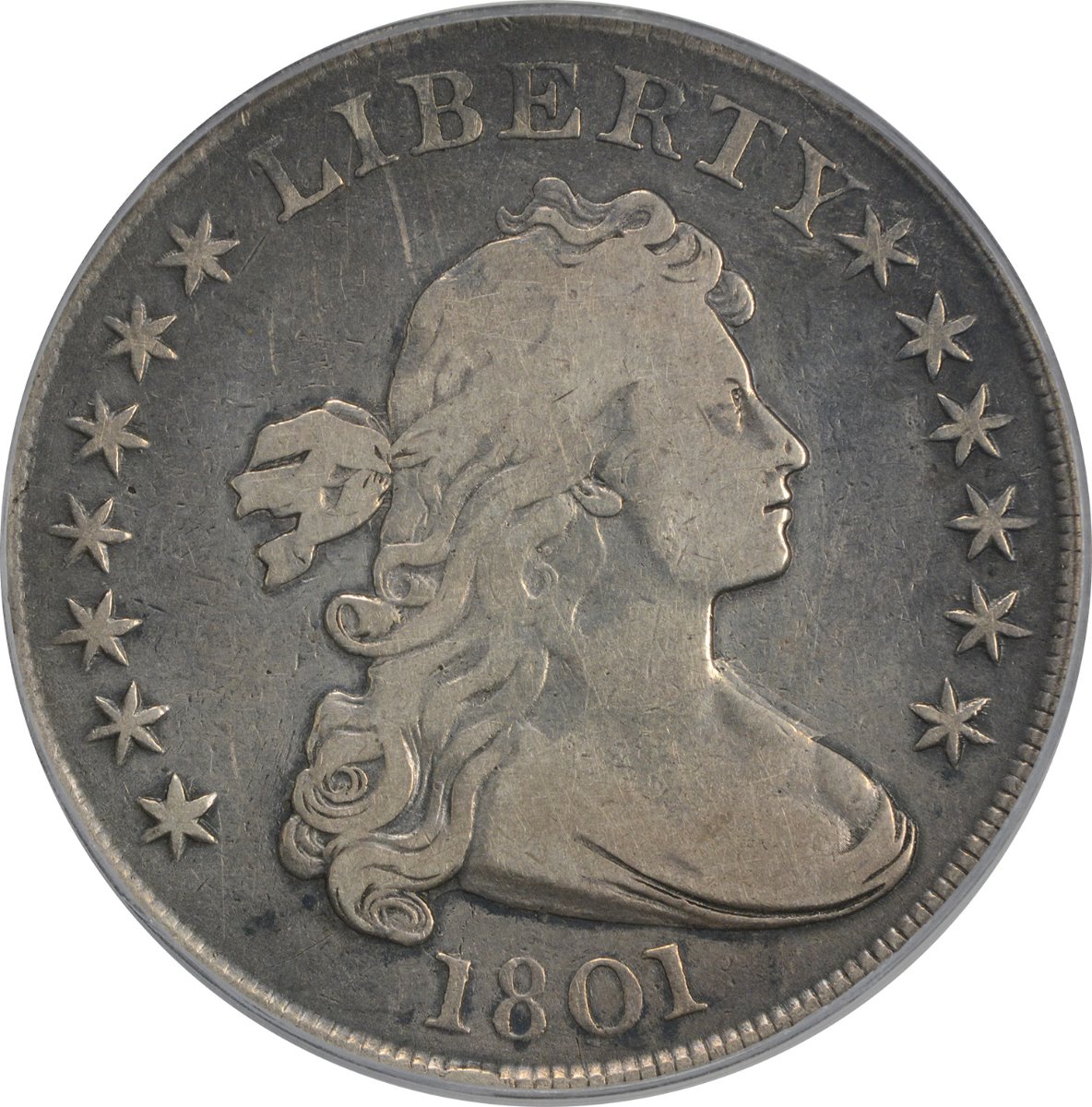
The foundation for American type collecting was established with the Coinage Act of 1792, which authorized the first United States Mint and defined the initial denominations of U.S. coinage. The earliest federal type coins—including the Flowing Hair and Draped Bust designs of the 1790s and early 1800s—reflect the young nation's aspirations and ideals, often incorporating classical imagery and symbols of liberty. These early types were created by talented engravers like Robert Scot and Christian Gobrecht, who established artistic traditions that would influence American coinage for generations.
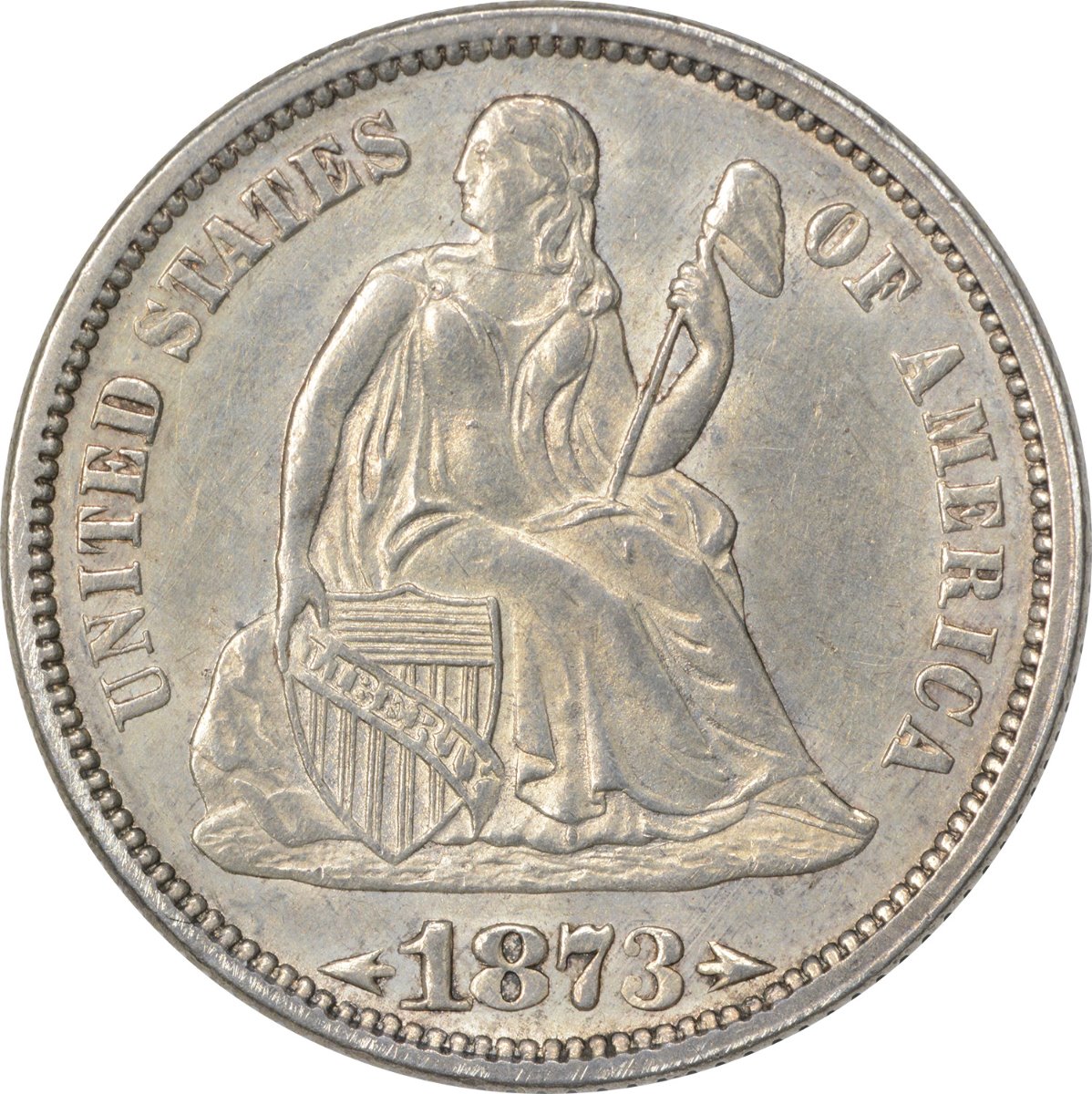
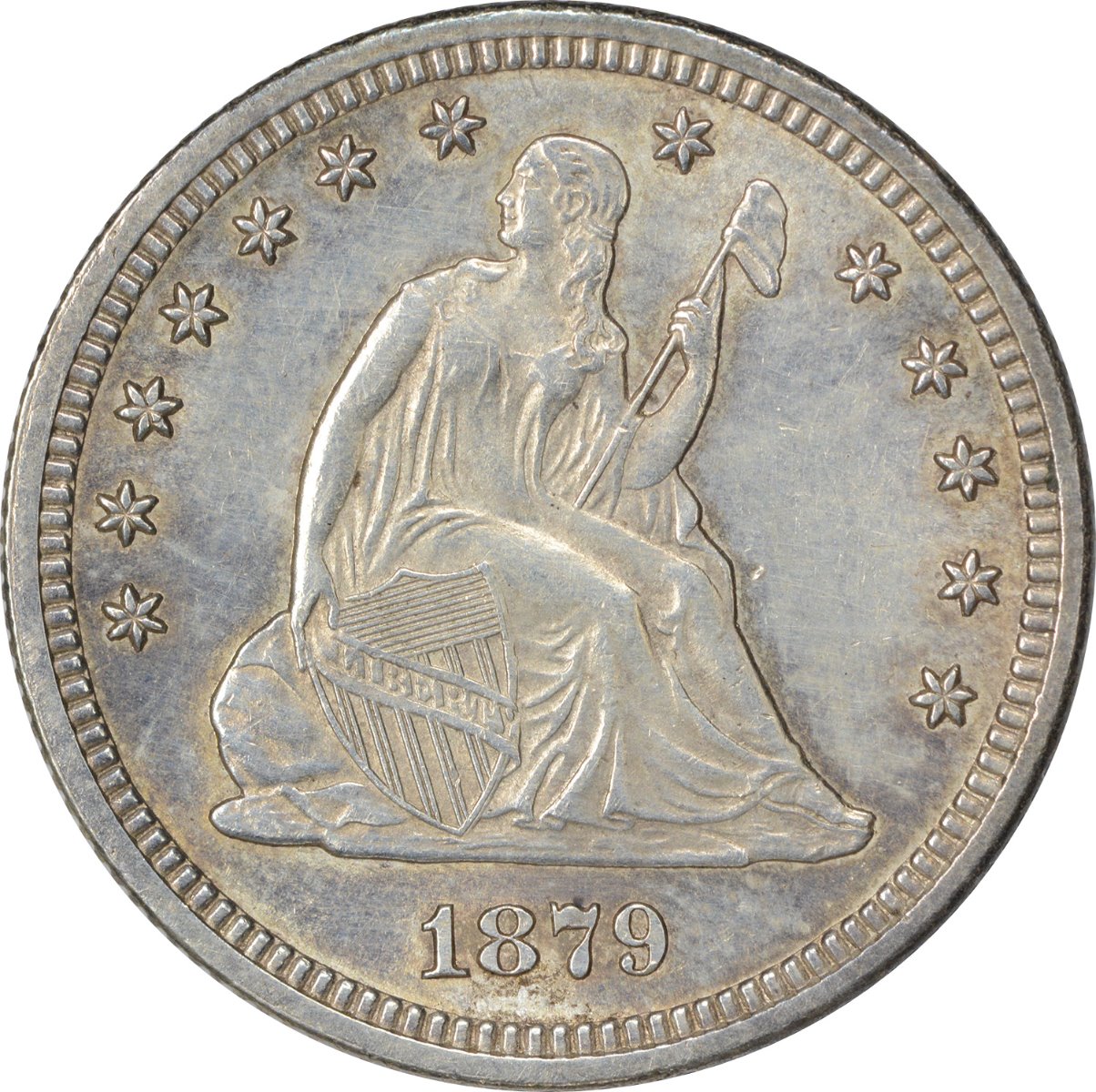
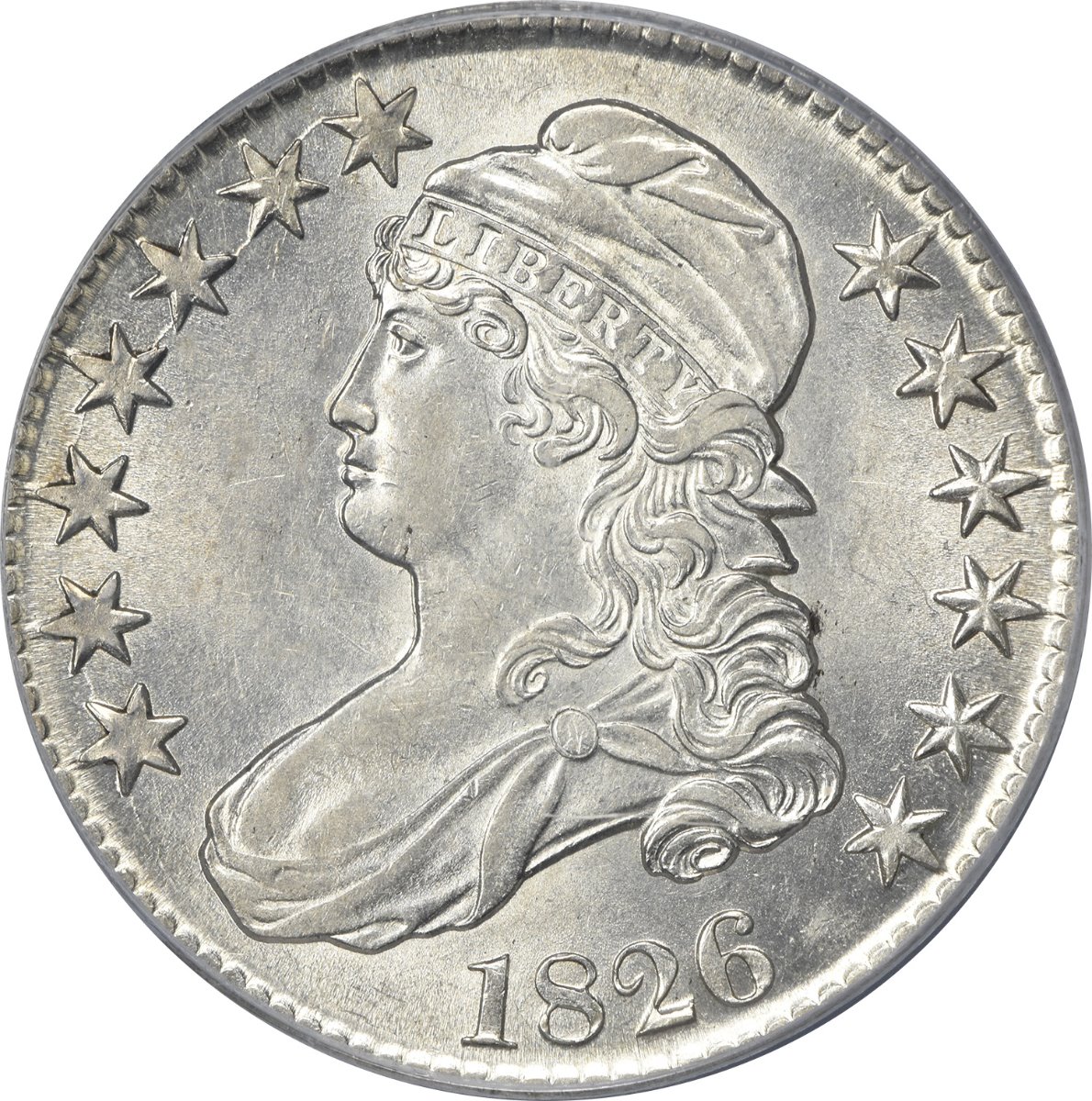
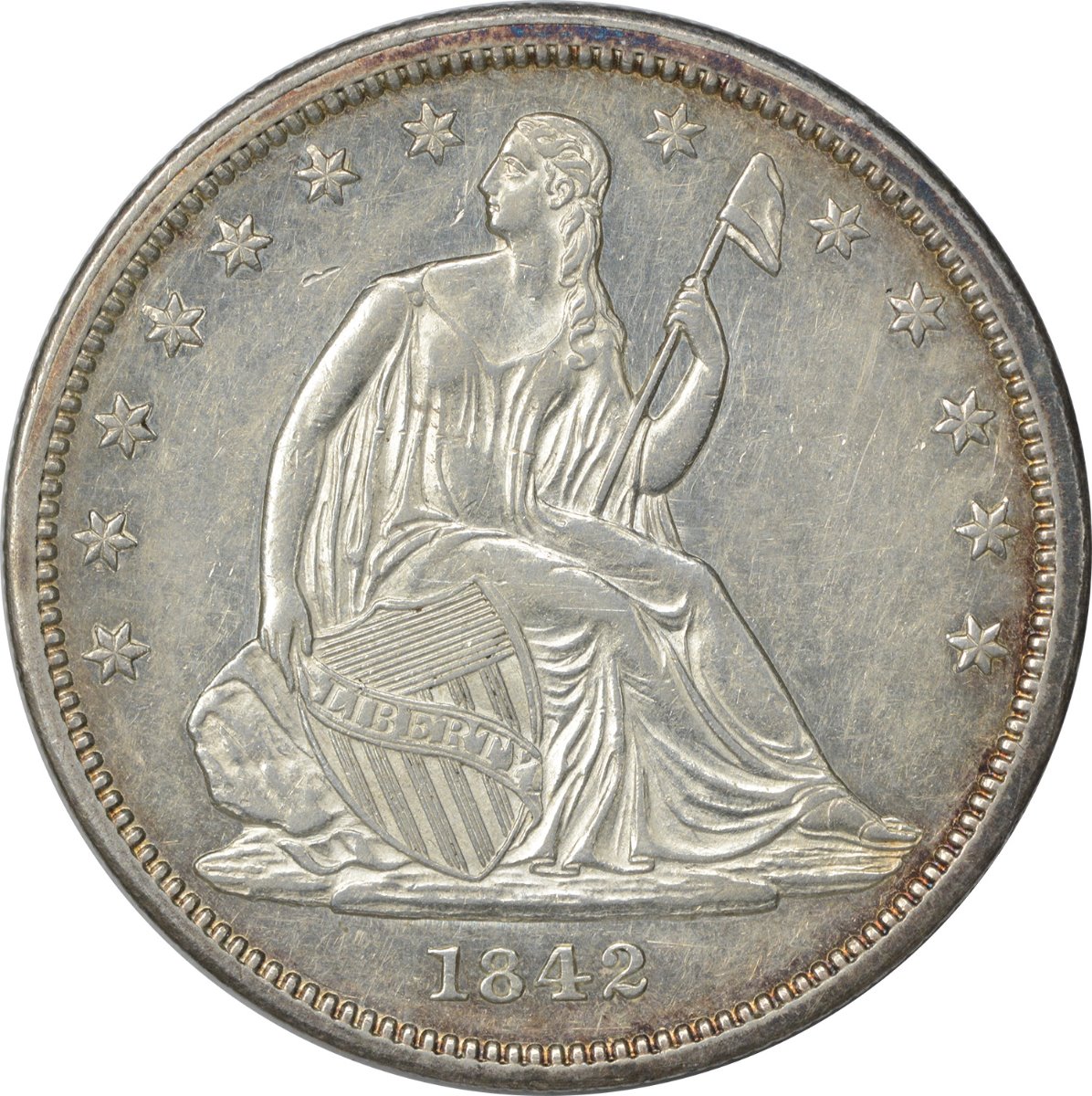
Throughout the 19th century, U.S. coinage underwent numerous design changes, often reflecting the nation's evolving identity and technological capabilities. The Seated Liberty designs of the mid-19th century gave way to the Barber coinage of the 1890s, followed by the Renaissance of American coinage under President Theodore Roosevelt in the early 20th century. This period saw the creation of iconic designs by sculptors Augustus Saint-Gaudens, James Earle Fraser, and Adolph A. Weinman, establishing a golden age of American numismatic artistry.
Modern type collecting encompasses everything from these classic designs through the presidential portraits of the mid-20th century and the commemorative and circulating commemorative coins of recent decades, offering a comprehensive portrait of America's numismatic heritage.
Design Elements
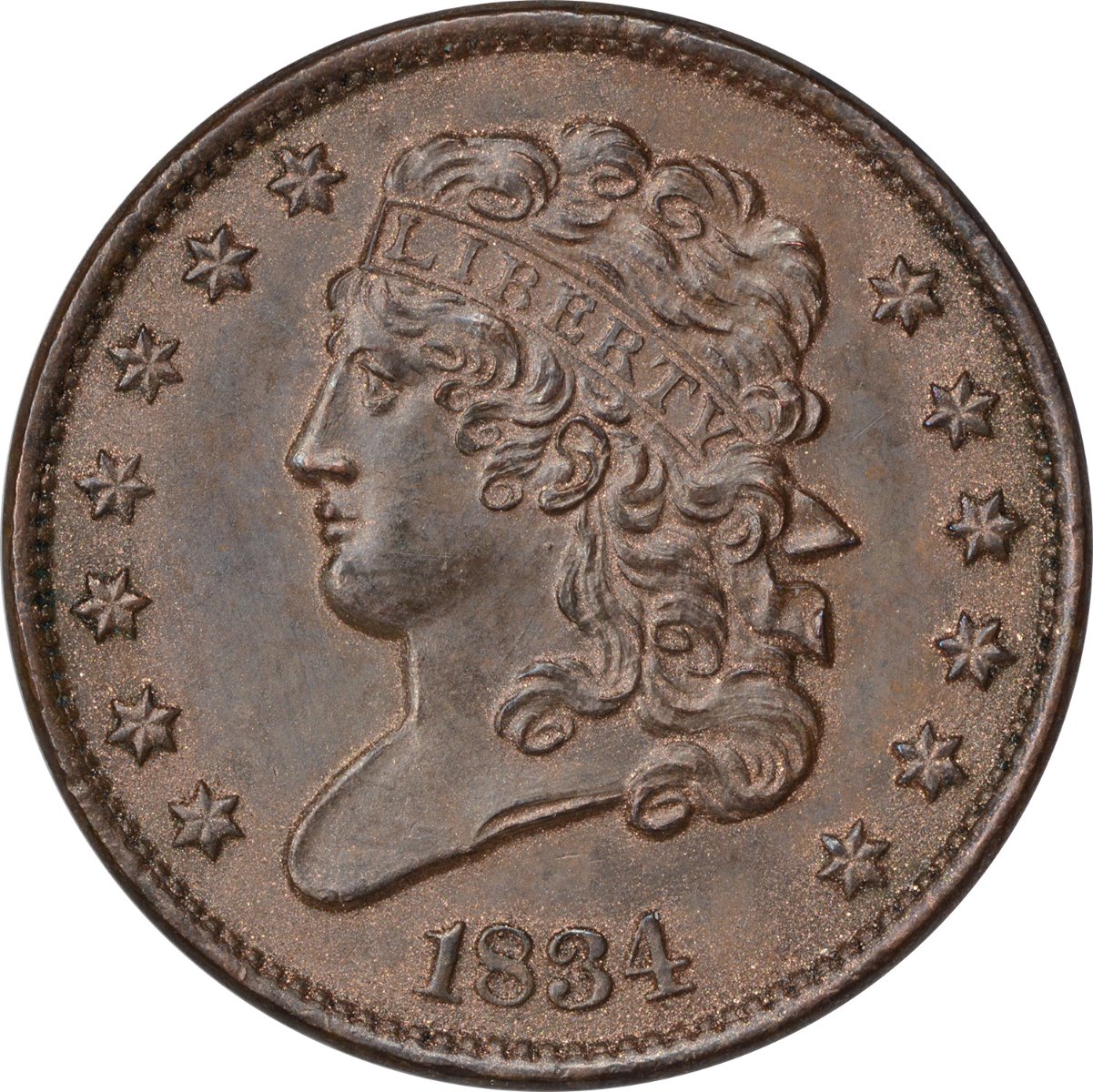
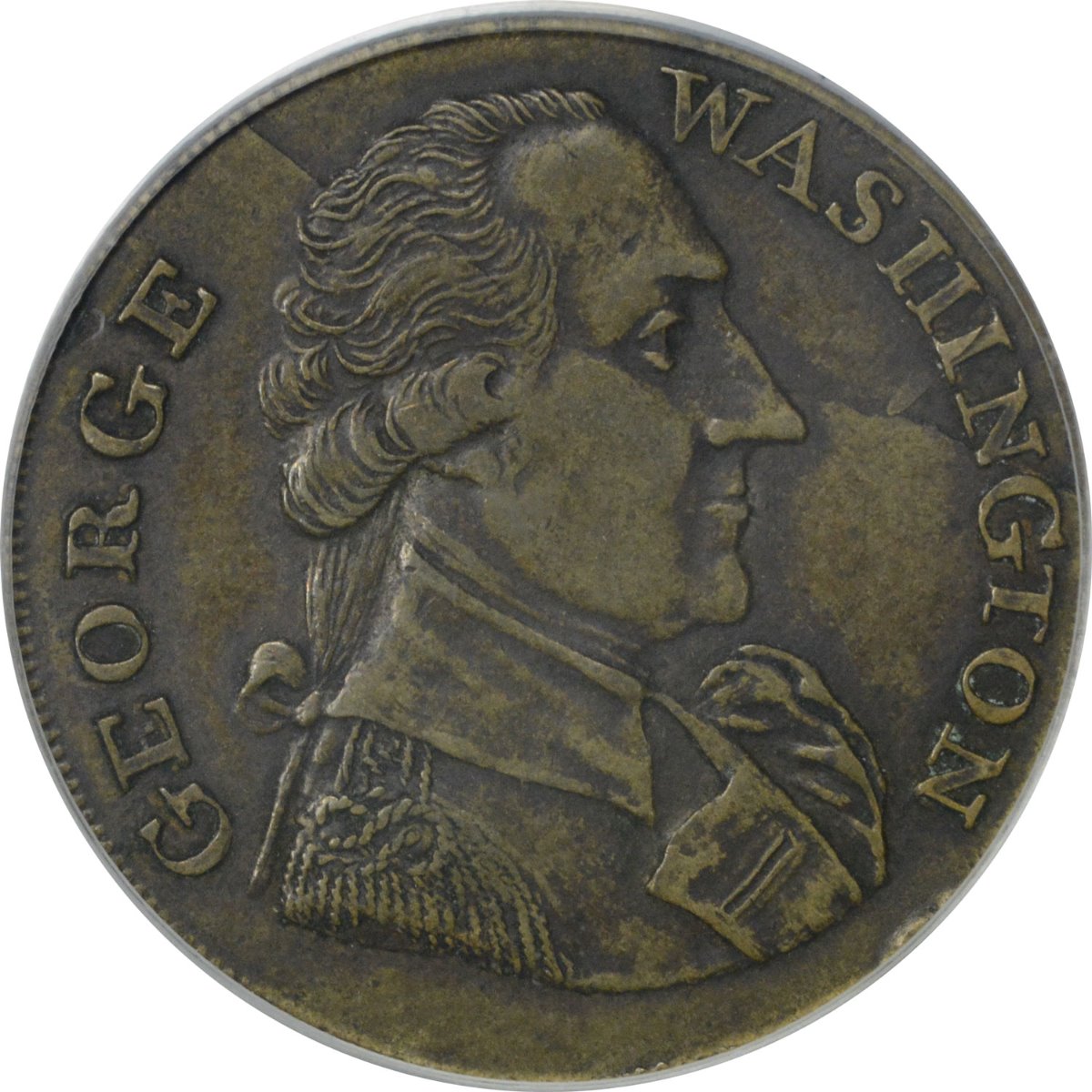
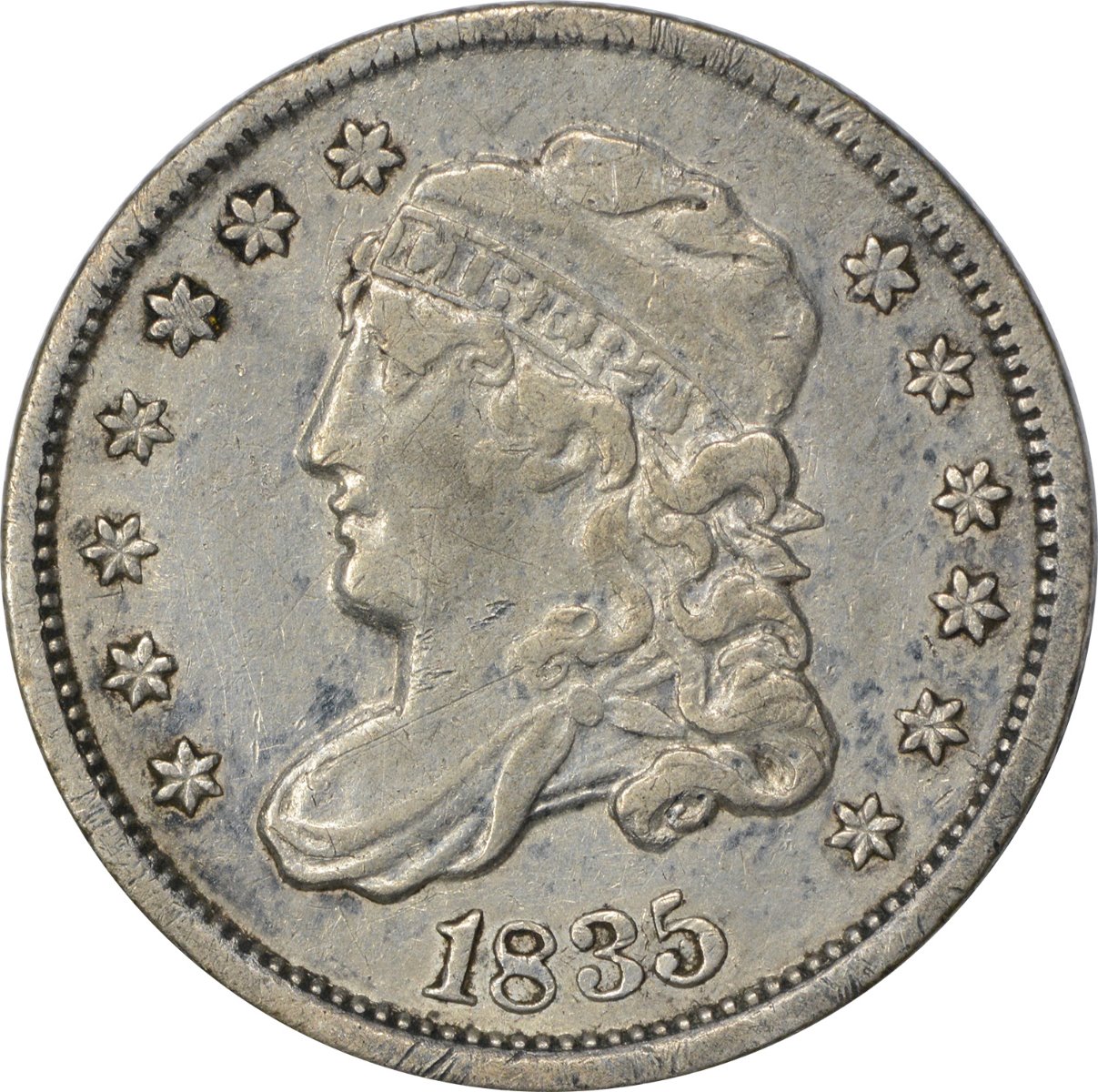
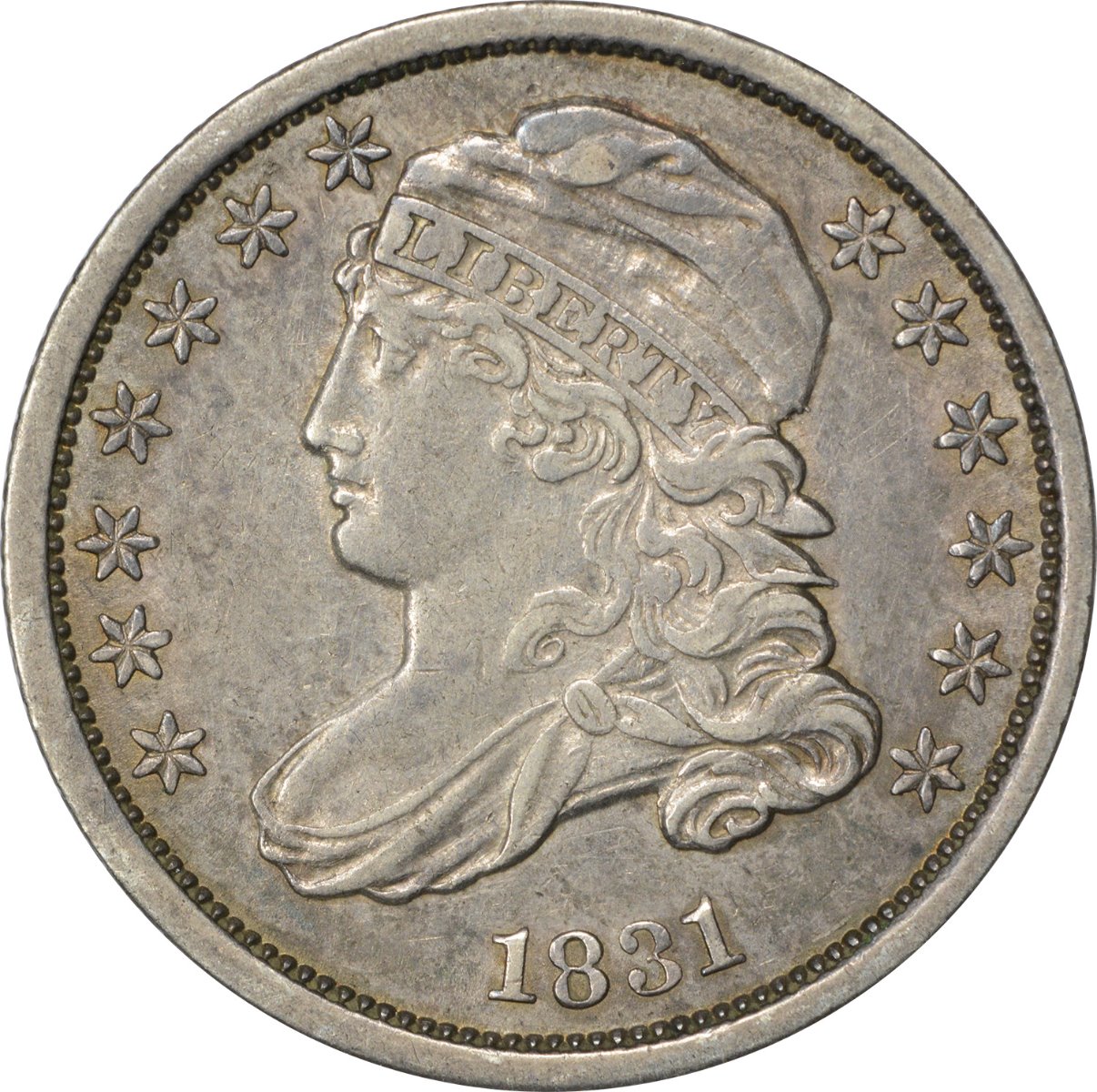
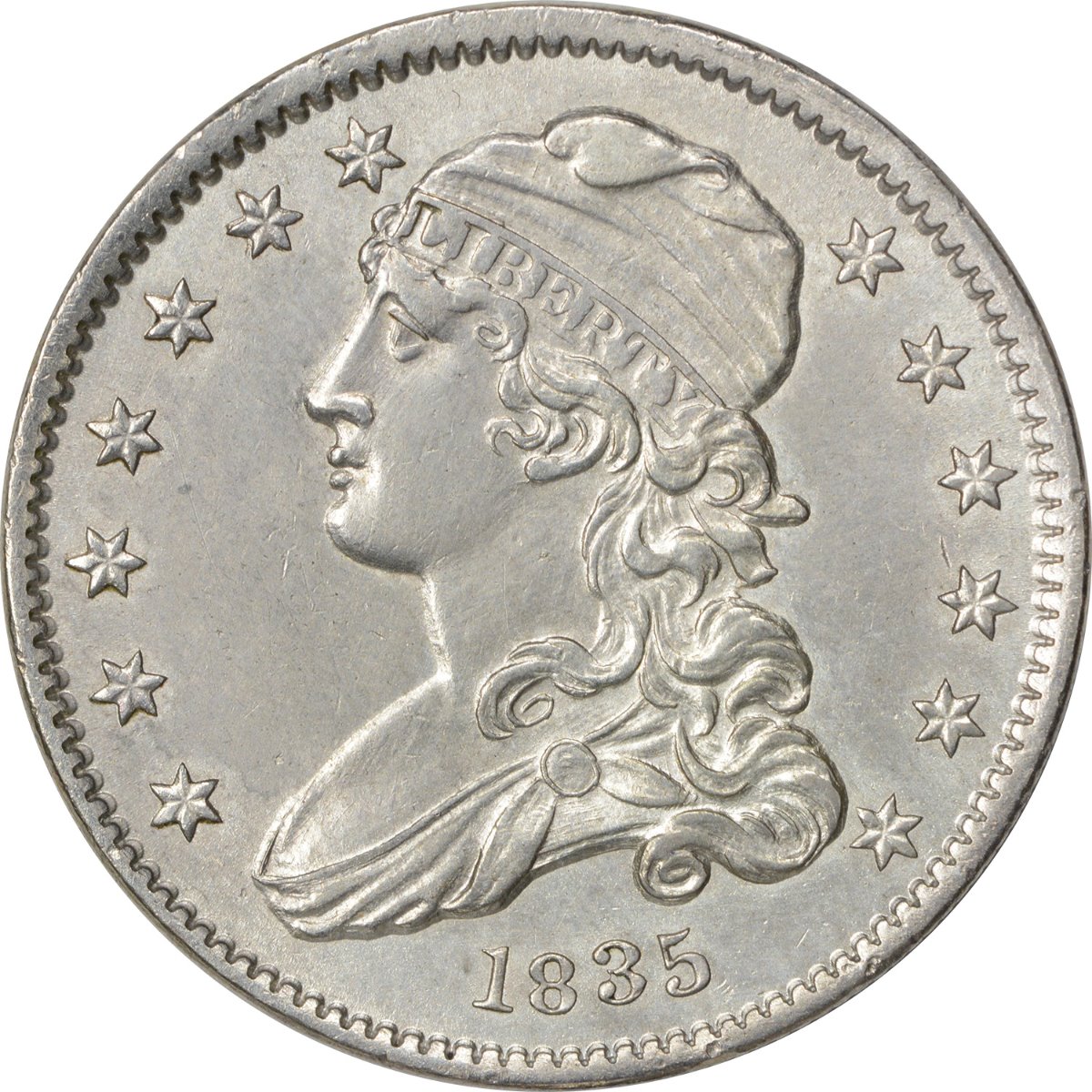
Type coins showcase the remarkable artistic evolution of American coinage across more than two centuries. The obverse designs reflect changing artistic styles and national values, from the allegorical Liberty figures of early coinage to the presidential portraits that dominate modern issues. Early type coins frequently featured Liberty in various forms—draped in classical attire, wearing a liberty cap, or adorned with a crown of stars—symbolizing America's commitment to freedom. Later designs incorporated Native American imagery (Indian Head cent, Buffalo nickel) or presidential likenesses (Lincoln cent, Washington quarter), reflecting shifting cultural perspectives and national heroes. Common obverse inscriptions include "LIBERTY," the date of issue, and beginning in 1866, the motto "IN GOD WE TRUST," though placement varies significantly across different types.
The reverse designs show even greater variety throughout American coinage history:
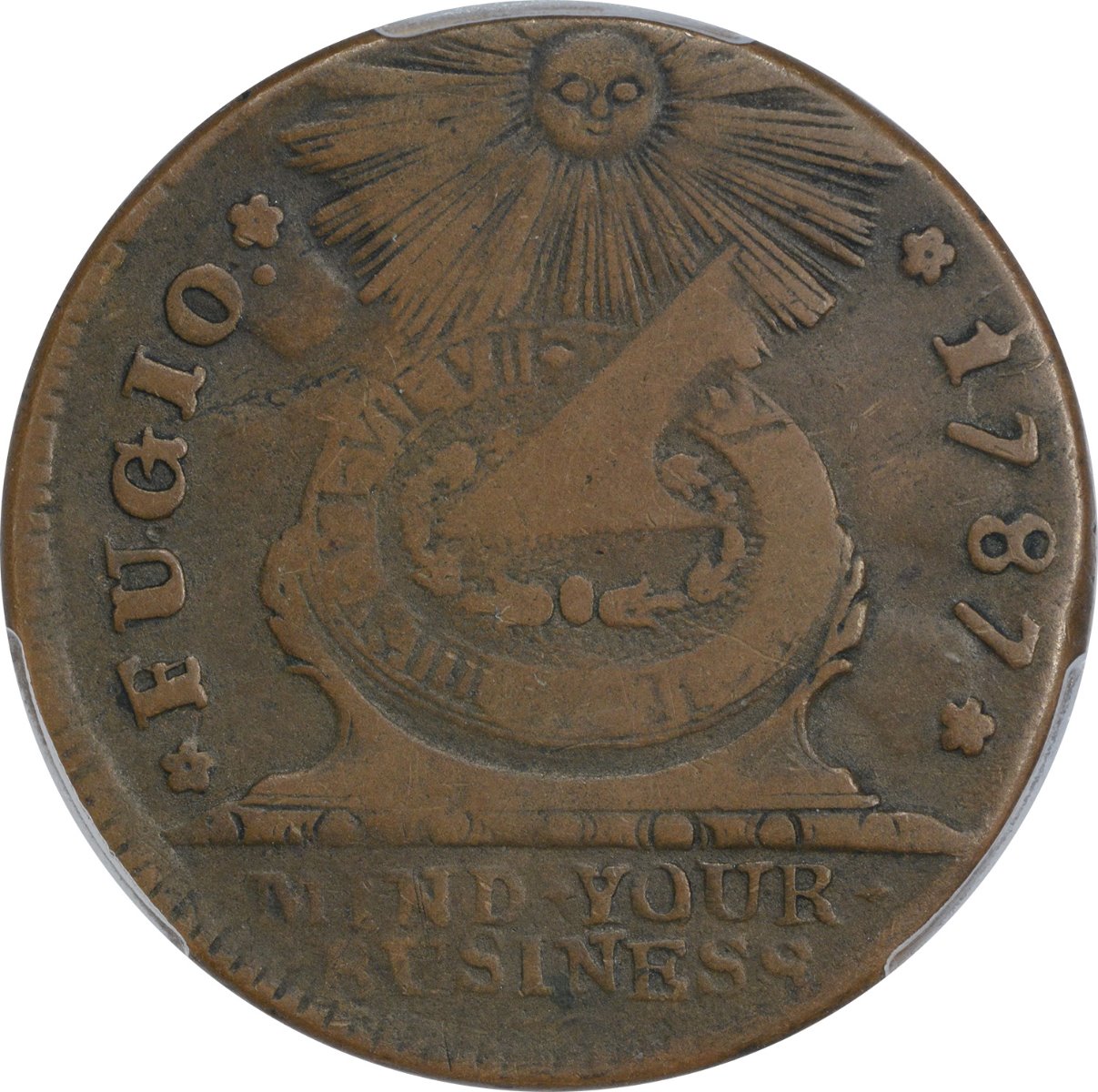
- 1793-1830s: Early reverse designs featured simple wreath patterns surrounding the denomination, often with "UNITED STATES OF AMERICA" as the primary inscription. The large cents and half cents of this period exemplify this approach, with various wreath designs evolving over the decades.
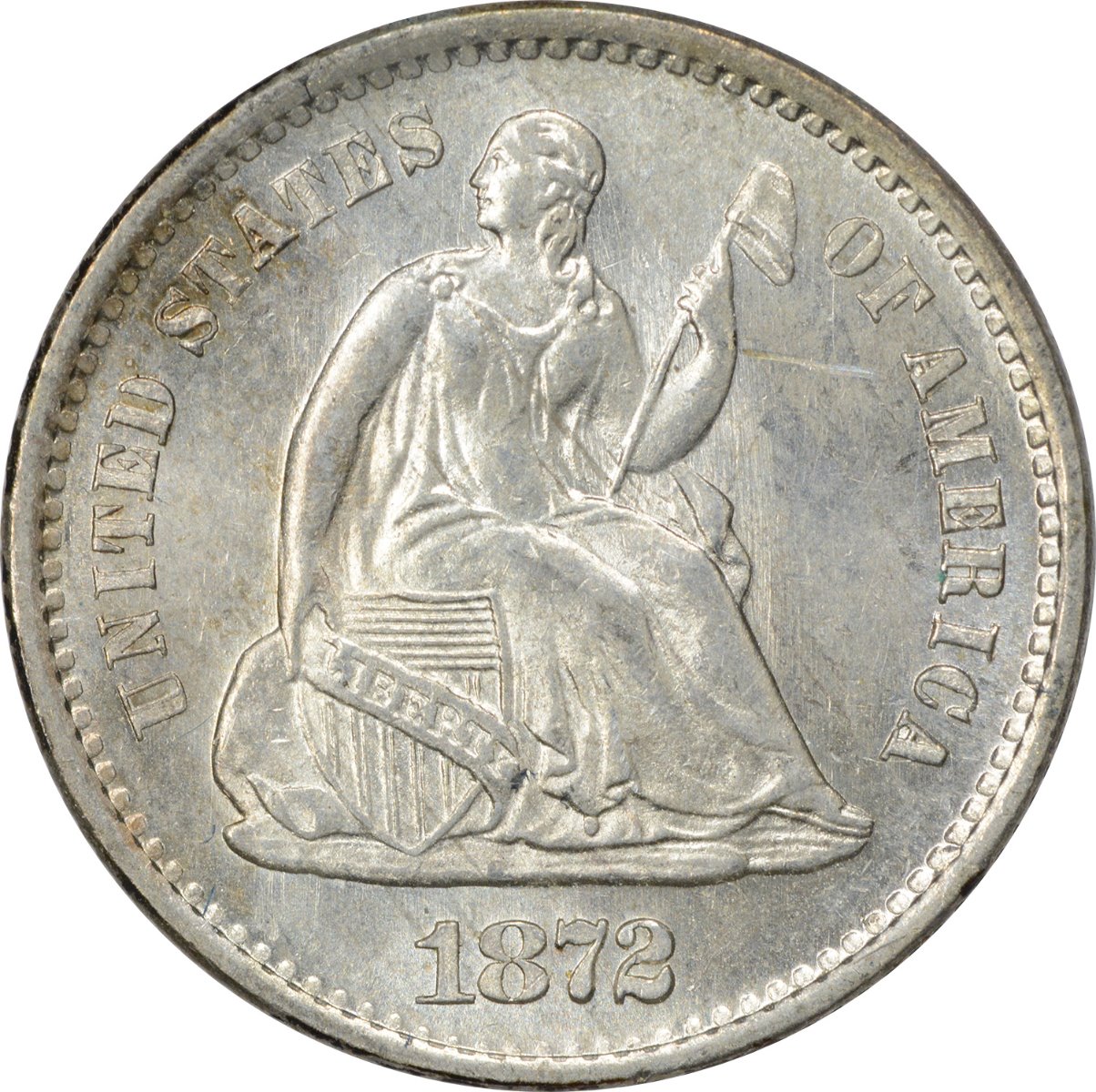
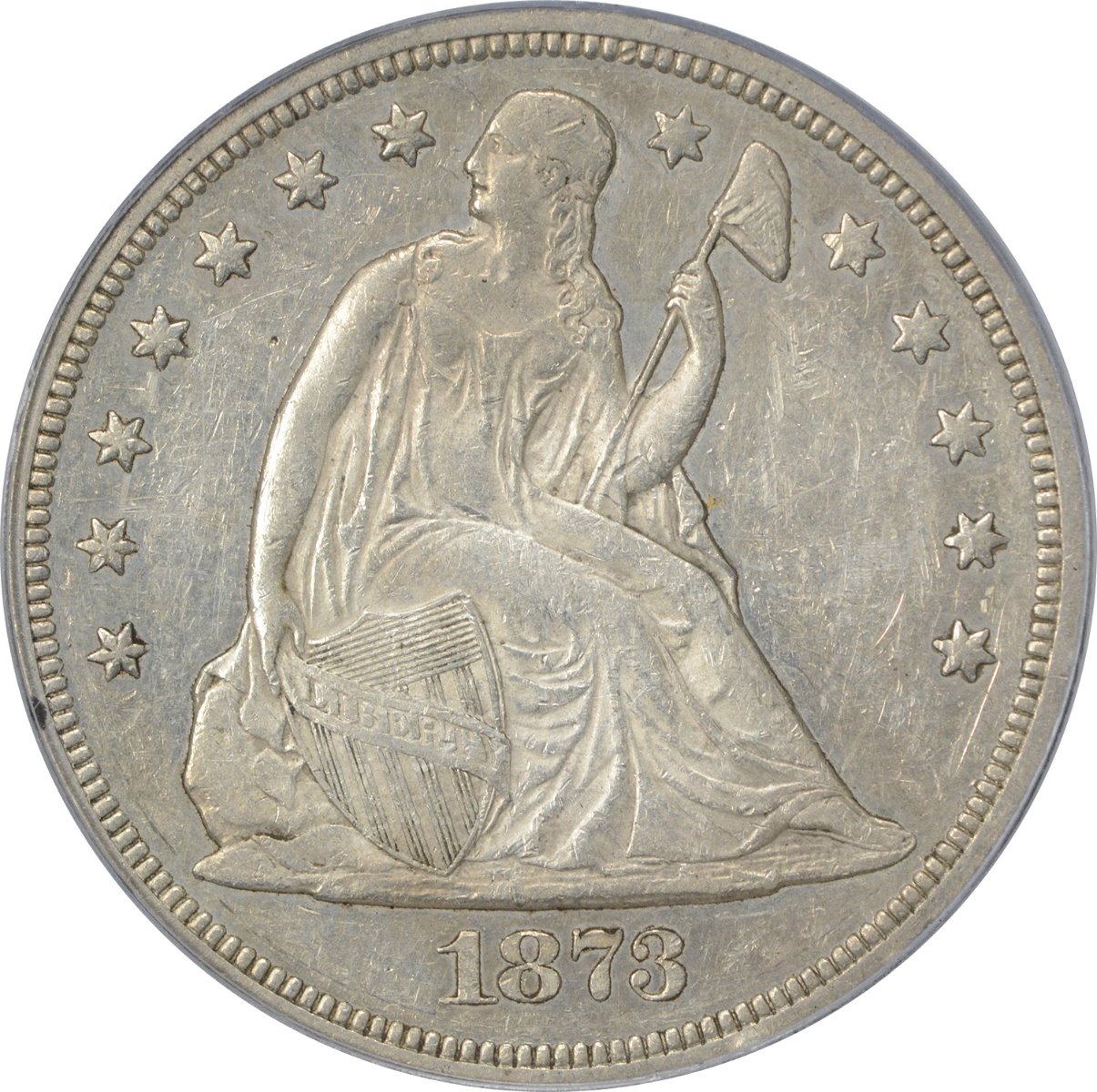
- 1830s-1890s: Mid-19th century coinage increasingly incorporated heraldic eagles on silver and gold denominations, while cents and nickels maintained simpler reverse designs. The Seated Liberty series (1836-1891) across multiple denominations showcases the eagle design at its most consistent.
- 1890s-1920s: The turn of the century brought more sophisticated and detailed reverse designs, with the Barber coinage maintaining traditional eagle motifs while new designs like the Indian Head cent's wreath and the Buffalo nickel's iconic bison introduced distinctly American imagery.
- 1920s-1950s: The early 20th century saw architectural elements incorporated into reverse designs, notably the Lincoln Memorial cent (1959-2008) and the Monticello Jefferson nickel (1938-2003), alongside traditional heraldic elements on higher denominations.
- 1950s-Present: Modern coinage has featured increasingly diverse reverse designs, from the presidential shield on Kennedy half dollars to the state and national park quarters programs that began in 1999, offering unprecedented variety for type collectors.
Authenticity indicators for type coins vary by era, but generally include proper weight and dimensions, expected metal composition, appropriate striking characteristics, and design details consistent with known authentic specimens.
Varieties & Key Dates
The rich diversity of U.S. type coins presents collectors with numerous significant varieties and key types that represent milestones in American numismatic history. Among the most coveted early copper types are the Chain and Wreath cents of 1793, America's first cents that showcase distinctly different reverse designs within a single year. The 1796-1797 Draped Bust, Small Eagle half dollar represents another landmark type, with fewer than 3,000 pieces struck and only a small percentage surviving today, making it one of the most expensive type coins to acquire.
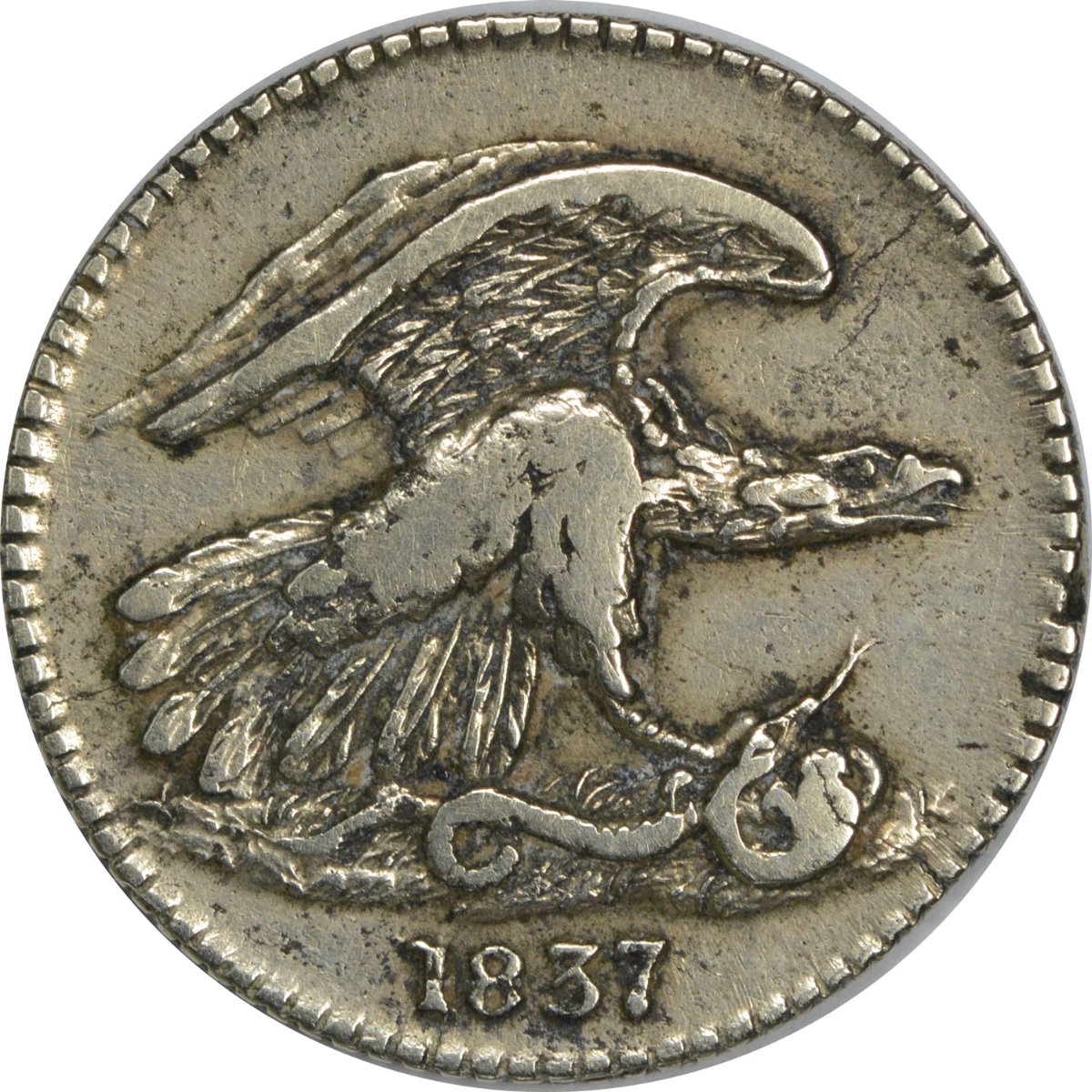
Silver type coins include several standout rarities. The 1796-1797 Draped Bust quarter, America's first quarter dollar, had a minuscule mintage and represents a significant challenge for type collectors. The Gobrecht dollar of 1836-1839, a pattern coin that briefly circulated, bridges the gap between early silver dollars and the later Seated Liberty series. These transitional pieces showcase exceptional artistry and command premium prices in any condition.
For gold type collectors, the early denominations present particular challenges. The Capped Bust, Small Eagle $5 half eagle of 1795-1798 represents America's first gold half eagle, with all dates considered rare. The 1796-1797 Draped Bust quarter eagle, America's first $2.50 gold piece, exists in such limited quantities that even wealthy collectors may spend years seeking an acceptable specimen.
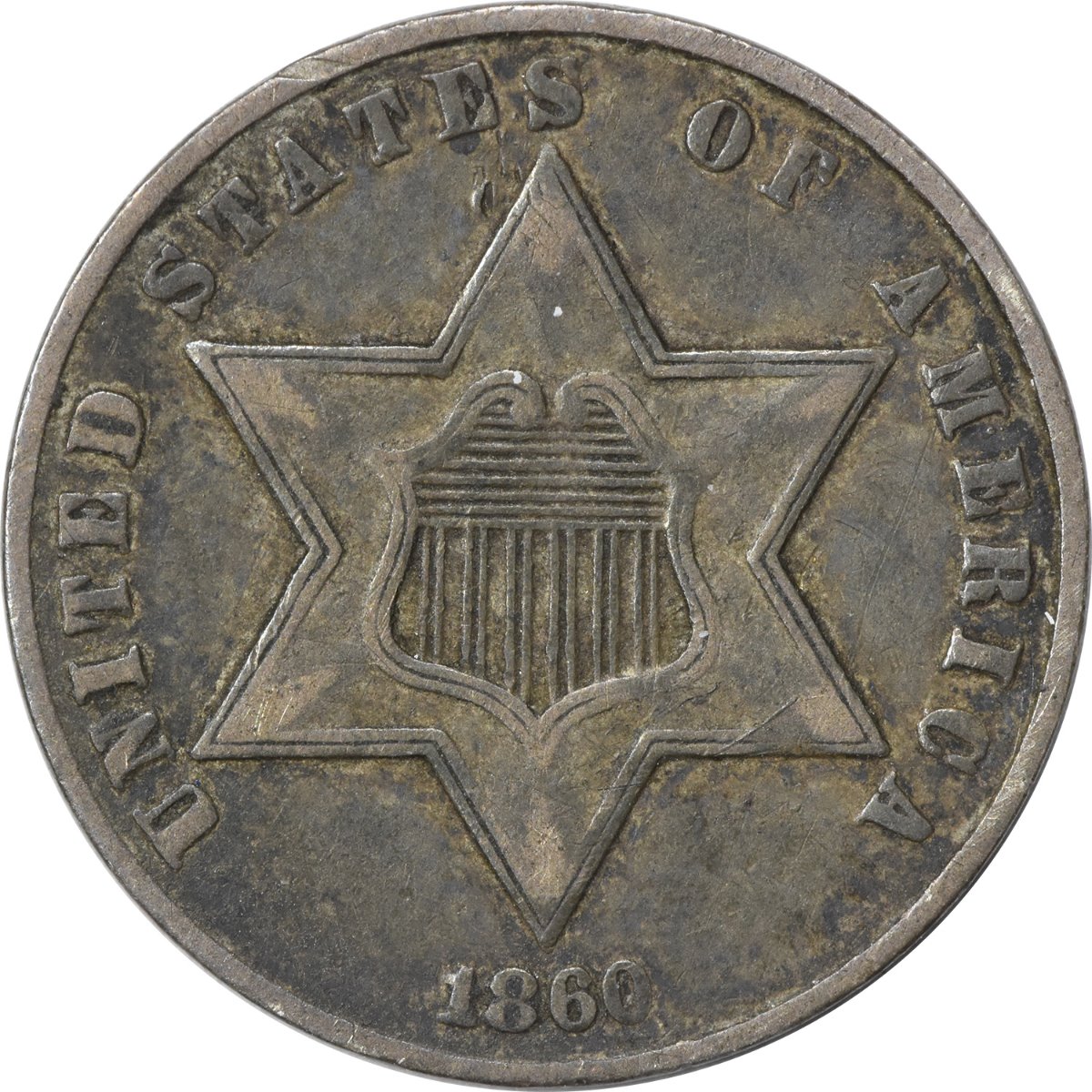
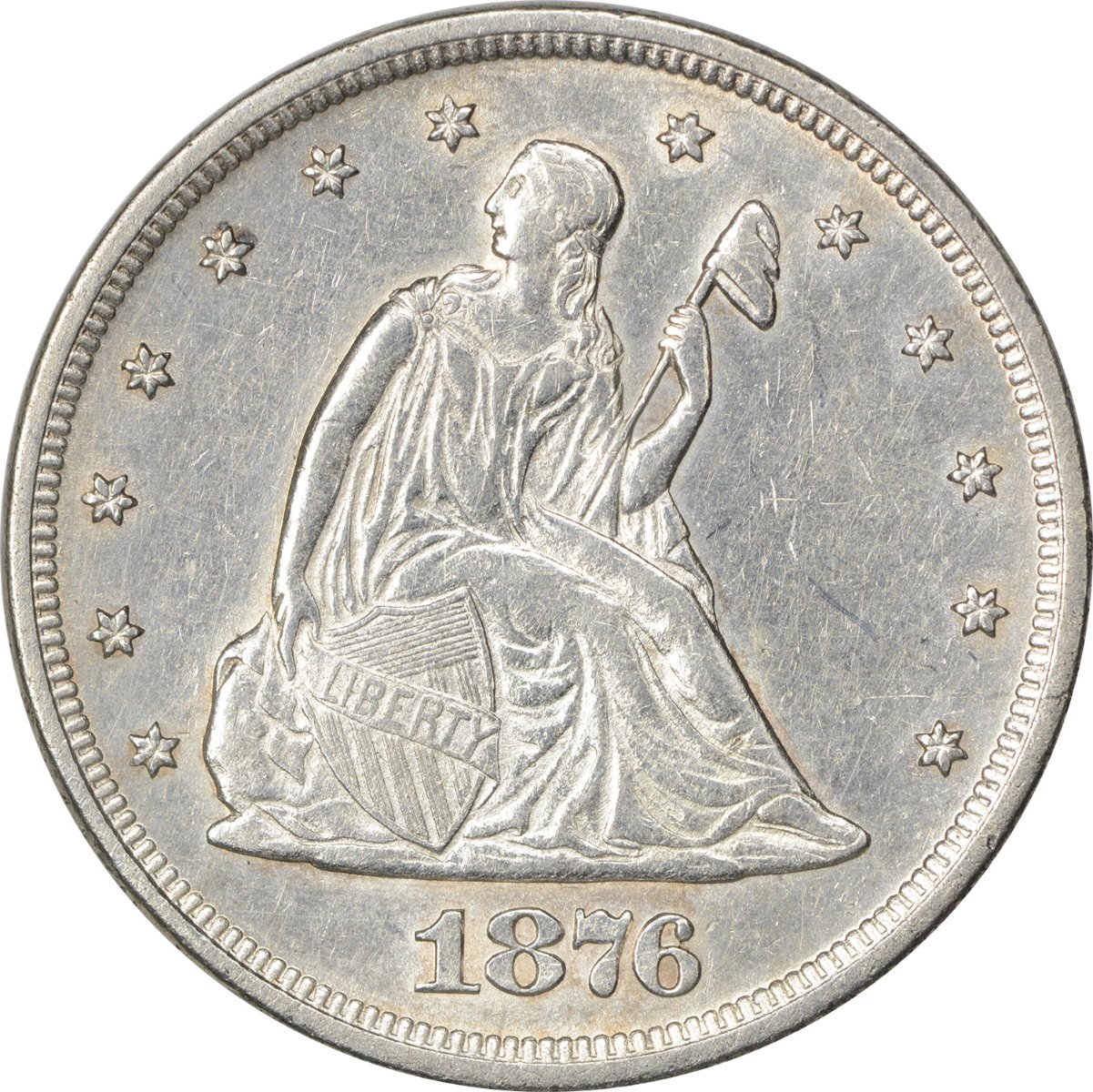
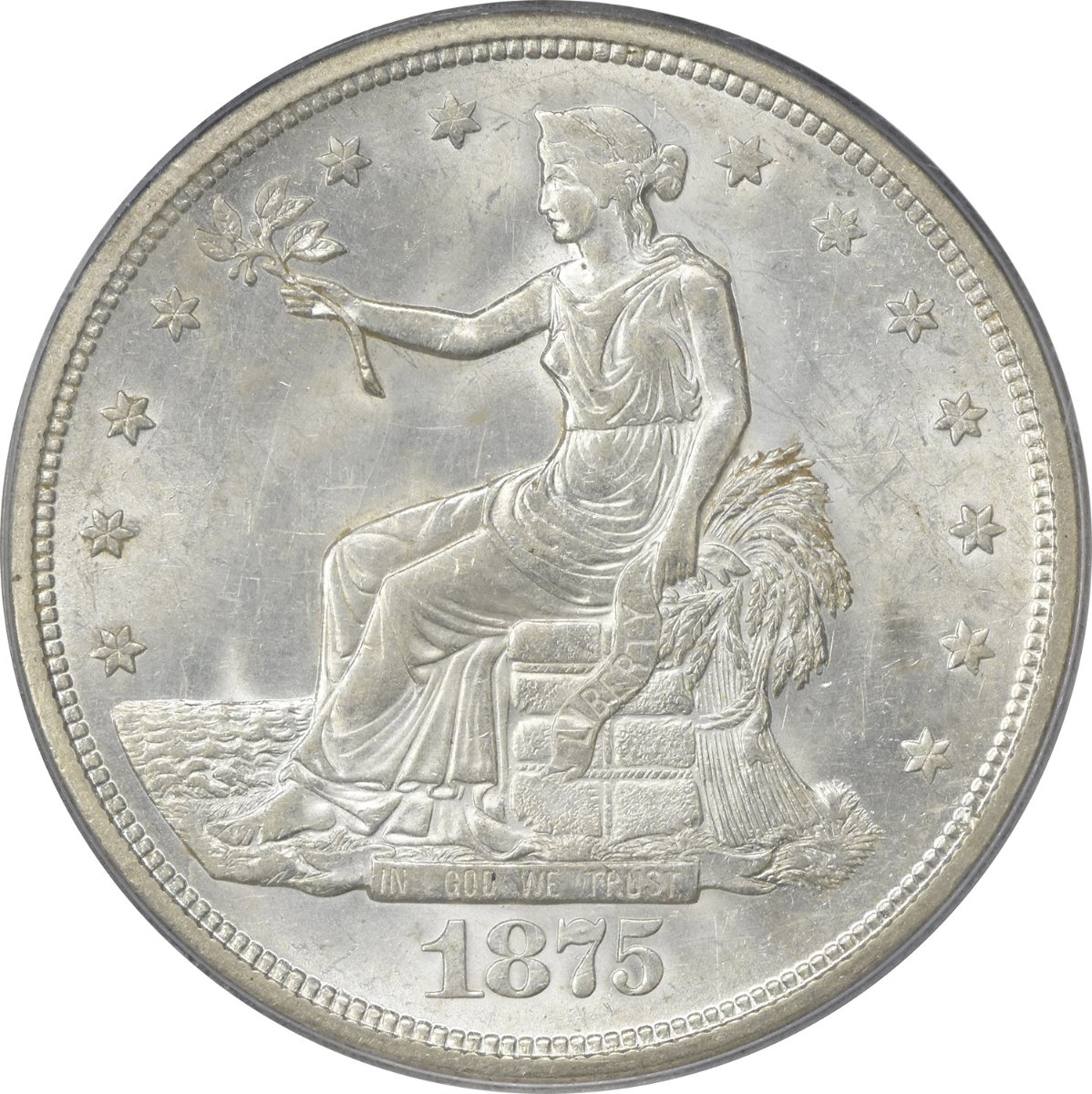
Nineteenth-century types include several challenging issues like the 1853 Arrows and Rays quarters and half dollars (a one-year type), the twenty-cent piece of 1875-1878 (one of America's shortest-lived denominations), and the Trade dollar of 1873-1885, created specifically for commerce with Asia. Among gold types, the 1879-1880 Flowing Hair Stella ($4 gold piece) stands as a fascinating pattern coin that has achieved regular-issue status among type collectors.
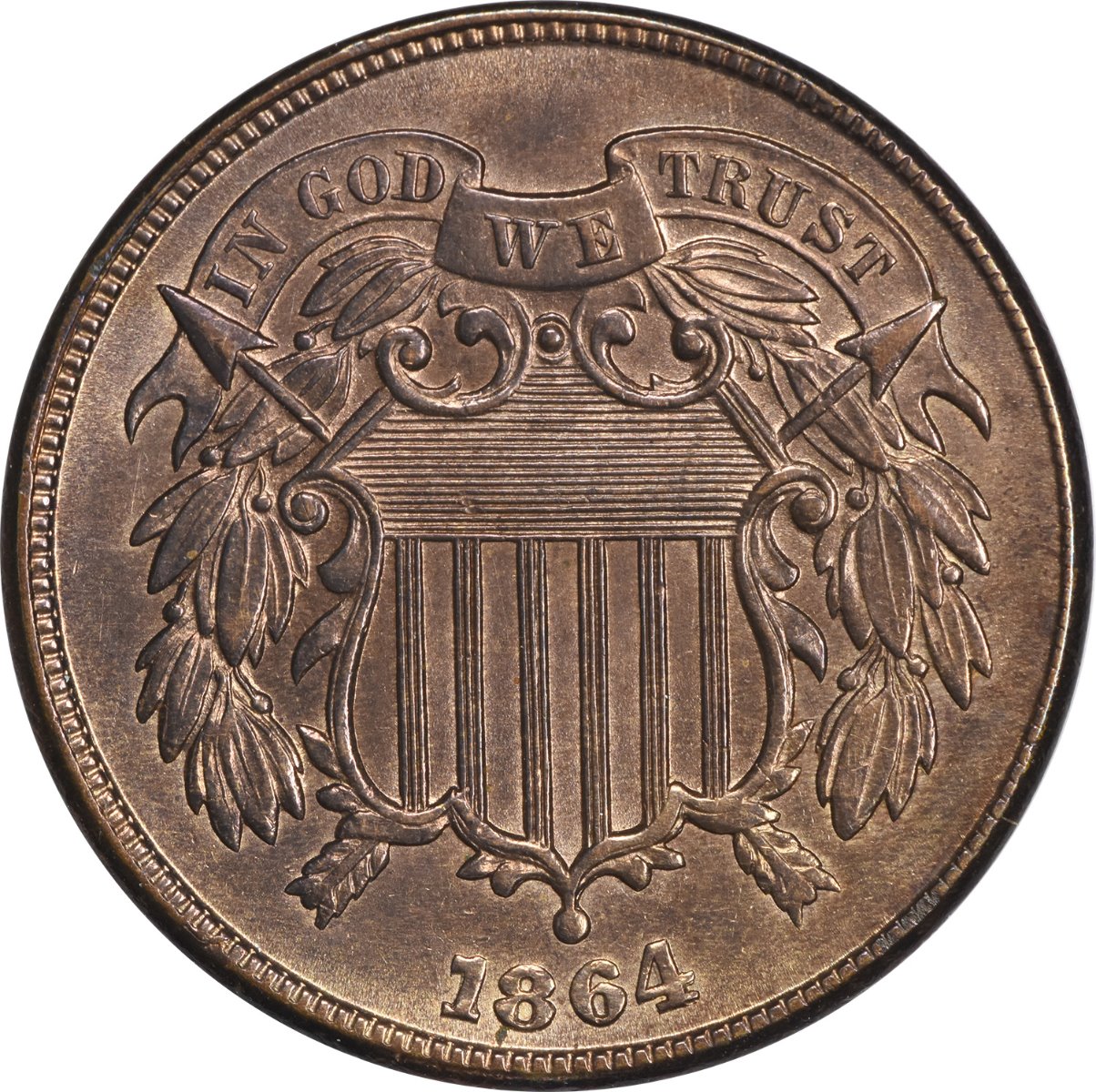
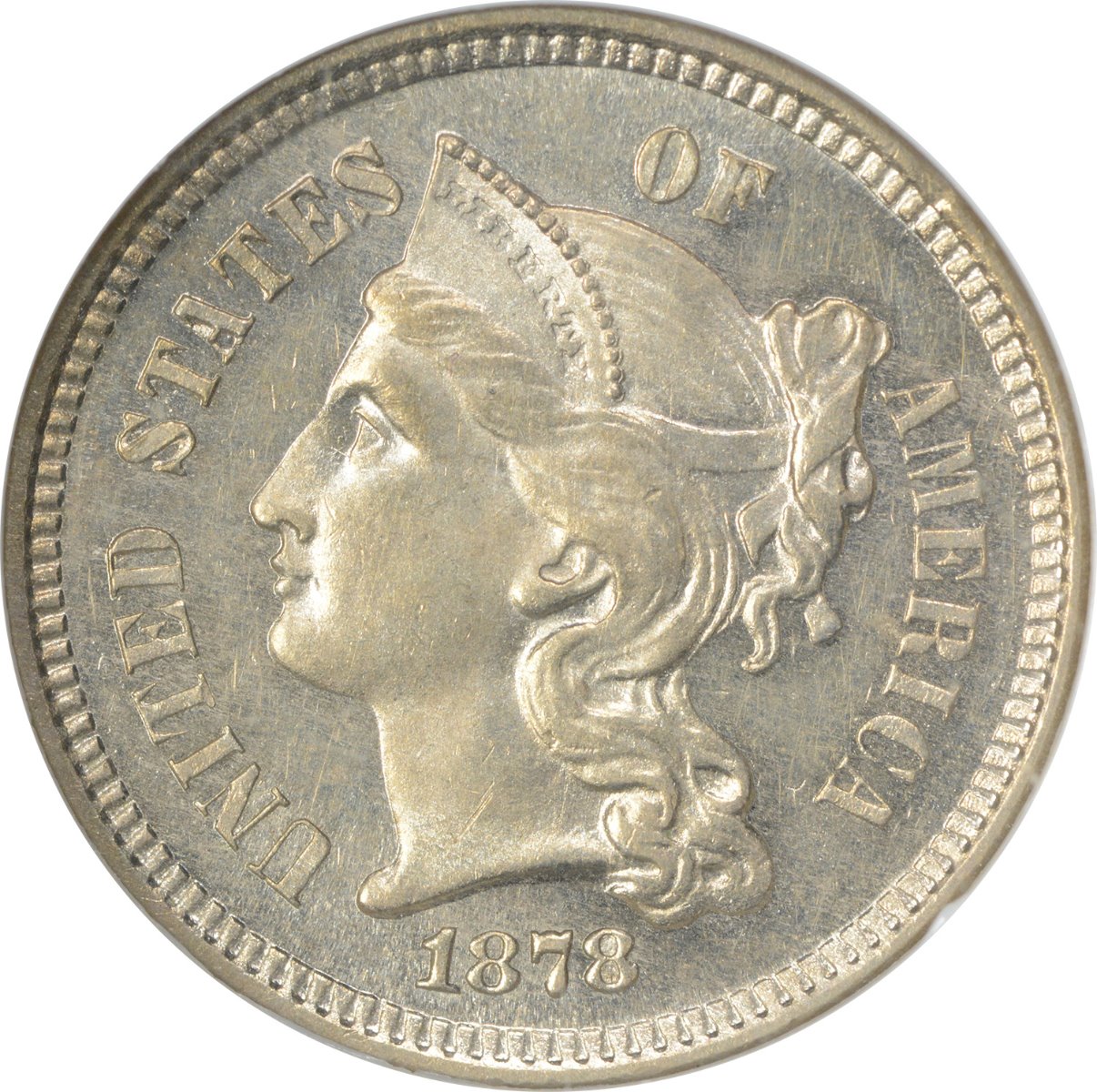
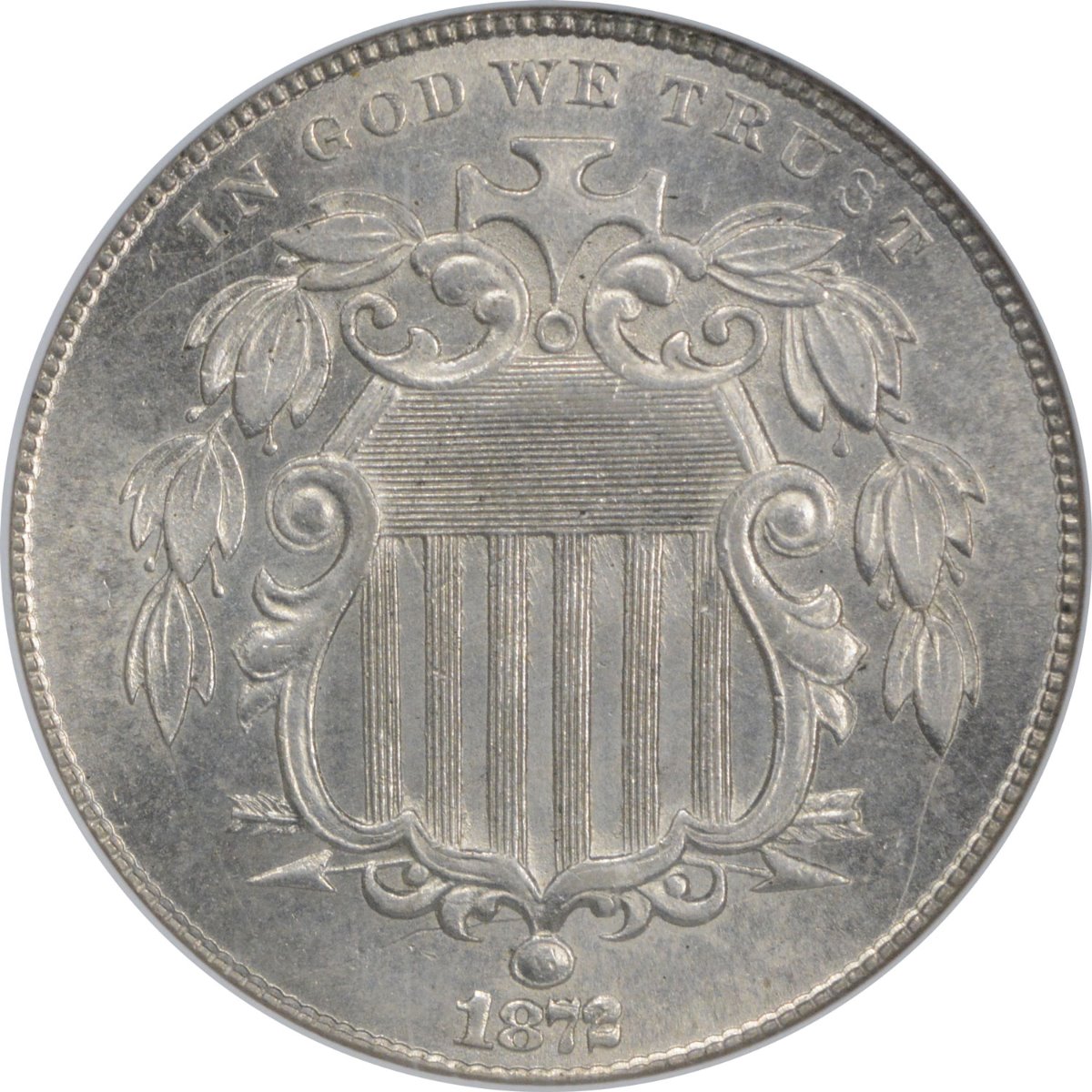
For the budget-conscious collector, more affordable 19th and 20th-century types include the Two-Cent piece (1864-1873), Shield nickel (1866-1883), and Liberty nickel (1883-1912). While still historic, these types can be acquired in collectible grades without the extreme expense of earlier coinage, making them excellent starting points for beginning type collectors.
Collecting Insights
Building a meaningful type coin collection requires strategic decisions about scope, budget, and quality. Most collectors choose either a specific time period (such as 19th-century types) or denomination (such as dimes through history) rather than attempting a complete U.S. type set, which would require significant investment. When determining collecting parameters, consider whether you'll include gold coinage, which adds substantial cost but tremendous historical significance to a type collection.
Condition standards represent another decision. While the ideal type collection would feature uniformly high-grade specimens, practical considerations often lead collectors to establish different grade thresholds for different eras. For example, maintaining Extremely Fine or better for 20th-century coins while accepting Very Fine for 19th-century issues and Fine for 18th-century types creates a visually cohesive collection while acknowledging the reality of early coin survival rates.
Authentication becomes increasingly important as you add valuable type coins to your collection. Early coppers, key silver types, and virtually all gold types are frequently counterfeited or altered. Working with reputable dealers like L&C Coins ensures proper verification of these significant numismatic treasures. For particularly valuable specimens, third-party certification from services like PCGS or NGC provides additional security and facilitates future resale.
For display and preservation, consider specialized type coin albums or custom holders that accommodate the different diameters of historical coinage. These allow for pleasant viewing while protecting your investment from environmental damage. Browse L&C Coins' diverse selection of authenticated type coins spanning America's numismatic history—our experts can help you build a collection that balances historical significance, aesthetic appeal, and investment potential while respecting your budget constraints.
Frequently Asked Questions
What exactly is a "type coin" collection?
A type coin collection focuses on acquiring one example of each major design variation in U.S. coinage rather than collecting every date and mintmark within a series. Type collecting allows numismatists to assemble a representative sampling of America's coinage history, appreciating the artistic and technological evolution of our money while avoiding the expense and challenge of complete date collections. Collectors might pursue a comprehensive type set spanning all denominations or specialize in specific denominations, time periods, or metals according to their interests and budget.
What are the most affordable entry points for beginning type collectors?
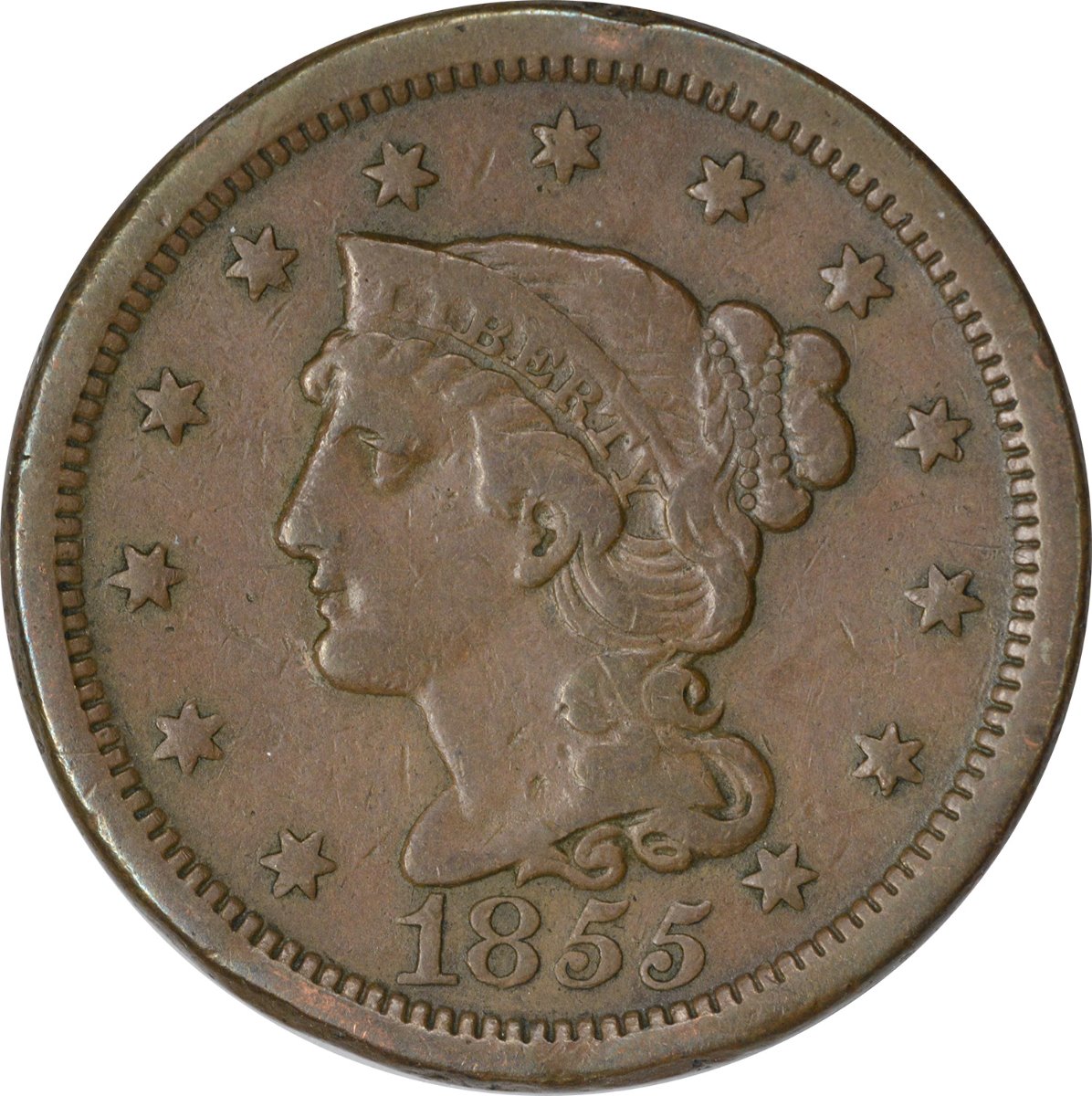
For authentic early American type coins, consider Braided Hair large cents (1839-1857) in circulated grades, later-date Liberty Seated dimes (1837-1891) in Fine condition, or Capped Bust half dollars from 1834-1839 after the weight reduction. These offer historical significance at more moderate price points. Collectors with slightly higher budgets might explore Draped Bust copper coinage (1796-1807) in Good to Very Good condition, representing America's first decade of federal coinage. L&C Coins offers authenticated examples of these classic type coins in various grades to match different collecting budgets.
How many different coin types would a complete U.S. type set include?
A comprehensive U.S. type set—including all major design variations across all denominations from half cents through double eagles, plus gold commemoratives and significant pattern issues like the Gobrecht dollar—would encompass approximately 120-150 different types, depending on how broadly one defines "type" distinctions. Most collectors focus on more manageable subsets, such as 20th-century types (about 35-40 types), silver denominations (about 50-60 types), or specific denominations through history. The scope of a type collection is determined by the collector's interests, goals, and budget constraints.
What are the most challenging U.S. coin types to acquire?
The most challenging types typically include early gold issues (particularly the Capped Bust, Small Eagle gold coins of 1795-1798), the 1796-1797 Draped Bust quarter, Draped Bust, Small Eagle half dollars and silver dollars (1796-1798), and the first year chain and wreath cent designs (1793). These types combine extremely low original mintages with poor survival rates and strong collector demand, creating formidable acquisition challenges. Other difficult types include the twenty-cent piece (1875-1878), Flowing Hair Stella ($4 gold, 1879-1880), and Trade dollar (1873-1885), all representing short-lived denominations with significant historical interest.
Should type coins be cleaned or should they maintain original surfaces?
Type coins should never be cleaned. Original surfaces—whether attractively toned silver, rich copper patina, or natural gold coloration—are highly prized by serious collectors and significantly impact value. Cleaning removes a coin's natural protective patina and damages the metal surface at a microscopic level, resulting in an unnatural appearance that experienced collectors immediately recognize. Even well-preserved coins with centuries of natural aging command stronger premiums than similar specimens that have been cleaned.
How does type collecting differ from date-and-mintmark collecting?
Type collecting focuses on acquiring one representative example of each major design, while date-and-mintmark collecting (also called "series collecting") aims to assemble complete sets of every year and mint facility within a particular series. Type collecting offers several advantages: it provides a broader historical perspective spanning multiple eras and designs; it allows collectors to appreciate artistic evolution across denominations; it typically requires fewer coins than complete date sets; and it offers greater flexibility to collect exceptional examples of particularly appealing designs. Many numismatists combine approaches, building type collections while simultaneously pursuing complete date sets of series that particularly interest them.
What is the difference between major and minor type variations?
Numismatists distinguish between major and minor type variations when classifying coins for type collections. Major types represent significant design changes affecting large portions of the coin's appearance, such as the transition from Flowing Hair to Draped Bust designs or from Liberty Head to Buffalo nickels. These major changes always constitute different types in a collection. Minor variations involve smaller modifications to the existing design, such as the addition of arrows beside the date (indicating weight changes) or modified reverses while maintaining the same obverse. Collectors must decide individually whether to include these minor variations in their type sets, balancing completeness against budget and space considerations.
Discover Quality, History-Rich Coins at L&C Coins
L&C Coins is a family-owned and operated business founded by coin enthusiast Lee Crane. Since 1974, we've offered our loyal customers a diverse selection of authentic and rare coins at a variety of price points to suit collectors of all levels.
In addition to a history-rich collection of both certified and uncertified coins, you'll enjoy free shipping with every standard order and free express shipping for orders of $25 or more. Should you