The Kennedy Half Dollar Story: How a National Tragedy Changed Coin Composition Forever (1964–1971)

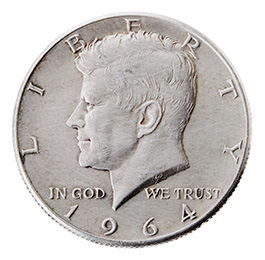
The Kennedy Half Dollar series stands as one of the most iconic U.S. coins, rich in history and extremely popular among collectors. It is America's longest-running half dollar design. Born from a national tragedy, the coin was conceived as a permanent memorial to the 35th President, John F. Kennedy, following his assassination.
Over the course of just seven years, the series chronicled a critical inflection point in American economic history as the U.S. moved away from silver coinage.
From Assassination to Coinage in 42 Days
Following President Kennedy’s assassination in November 1963, Congress moved at an unprecedented speed, fast-tracking legislation to authorize replacing the Franklin half dollar design. The goal was to memorialize the fallen leader. Legislation to replace the Franklin half dollar with Kennedy’s portrait was authorized by December 30, 1963.
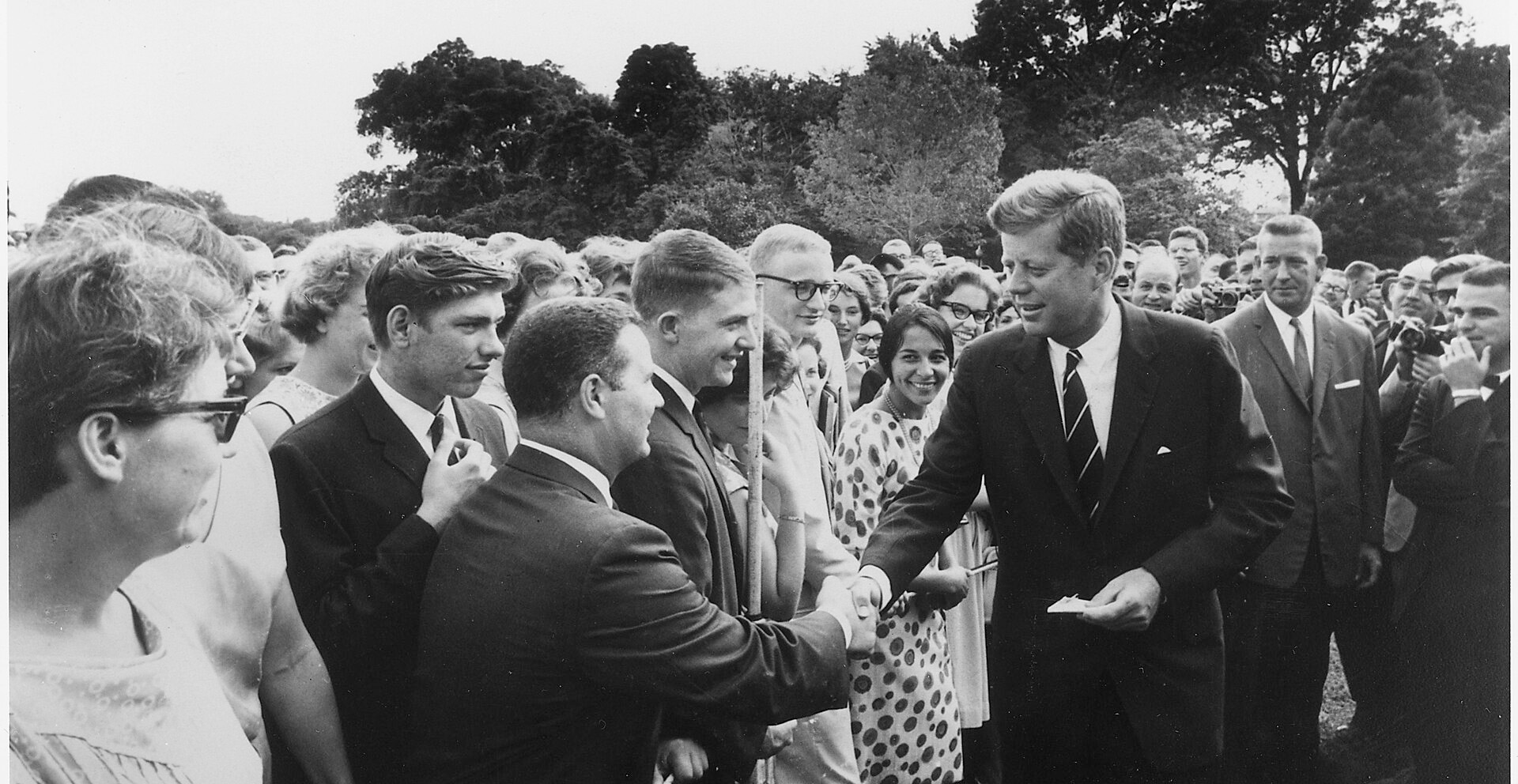
U.S. Mint Chief Engraver Gilroy Roberts designed the obverse (Kennedy’s left-facing profile), and Assistant Engraver Frank Gasparro designed the reverse, which features the Presidential Seal motif (a heraldic eagle clutching an olive branch and arrows). To expedite production, the designers adapted existing Kennedy medal designs. Trial strikes were completed by January 1964. The first coins were released to the public in March 1964.
1964: The Silver Standard and the Hoarding Phenomenon
The inaugural 1964 Kennedy Half Dollar was the final year U.S. circulating coinage was struck using the 90% silver standard. This first-year issue, though produced in massive numbers, has great historical significance.
-
Composition and Weight: The 1964 half dollar was a solid alloy of 90% silver and 10% copper. It weighs 12.50 grams and contains approximately 0.3617 troy ounces of pure silver.
-
The Vanishing Act: When released, the coins virtually vanished from circulation immediately, driven by twin forces. First, the public hoarded the coins as keepsakes and souvenirs of the late president. Second, the rising price of silver meant the coin’s intrinsic metal value was close to its face value, fueling speculative buying and encouraging melting for bullion. This massive hoarding removed over 400 million coins from circulation. Today, this intrinsic metal content provides a floor price for the coin, which trades at a premium over face value.
1965–1970: The Transitional 40% Silver Clad Era
In response to the coin shortage and persistent silver hoarding, the Mint reduced the silver content starting in 1965. The Coinage Act of 1965 removed silver entirely from the dime and quarter, but the half dollar was granted a temporary reprieve, struck in a new composition.
-
Composition and Weight: From 1965 through 1970, Kennedy half dollars were struck in a 40% silver clad composition. This was a metallurgical sandwich with outer layers of 80% silver (and 20% copper) bonded to a core containing 21% silver (and 79% copper). These coins weigh 11.50 grams and contain approximately 0.1479 troy ounces of pure silver.
-
Continued Hoarding: Even with only 40% silver, these halves continued to be saved by the public rather than spent. They are valued by collectors today primarily for their silver melt value. Collectors can identify these by examining the coin’s edge, which appears grey or silver.
1971: The End of Silver
After 1970, the process of removing silver from circulating coinage was completed.
-
The Clad Standard: Beginning in 1971, the half dollar was converted to the same base metal composition used for modern quarters and dimes: copper-nickel clad. The outer layers consist of 75% copper and 25% nickel over a pure copper core.
-
Modern Characteristics: The circulating Kennedy halves from 1971 onward have no silver content. Their weight decreased slightly to 11.34 grams. The edge of these coins displays a distinct orange/brown copper stripe.
The transition from the solid 90% silver standard in 1964 to the base metal clad composition by 1971 established three distinct composition types that collectors use to classify and value the series today.
Collector Insight
For collectors and those searching bank rolls (Coin Roll Hunting), the different metal compositions provide immediate, reliable value tiers. The earliest years (1964–1970) retain a bullion value floor because they contain silver, while later clad coins (1971–present) rely purely on condition or rarity (like errors and varieties) for any value above face. The edge of the coin is the key indicator: a solid white edge means 90% silver, a grey/silver edge means 40% silver, and a visible copper stripe means clad.
About the Author